Best Practices To Maintain When Dealing with Software Development Teams
Ever found yourself in this scenario? A frustrated developer is exasperated by their manager making bad decisions and focusing on the wrong things. The manager
Ever found yourself in this scenario? A frustrated developer is exasperated by their manager making bad decisions and focusing on the wrong things. The manager
Ever found yourself in this scenario? A frustrated developer is exasperated by their manager making bad decisions and focusing on the wrong things. The manager is manager constantly micromanaging and repeatedly asking, 'How long will this take?', "What is the progress so far?" It's crystal clear the development process has issues.
As a leader steering a software development team, it’s best to avoid this disconnected managerial style. Fortunately, you can equip yourself with tools, strategies, and methods to set you and your team up for success, even if you have little technical experience. Here are specific practices that can help you accurately assess software development company performance. The result? More effective and efficient teams.
Understanding the Team Dynamics

As a manager, you cannot go wrong when you take the time to understand common team challenges, preferred tools, and best practices when running a software development team. Recognizing the warning signs of potential delays and creating a conducive working environment without micromanaging are keys to effective leadership.
Project Management and Software Development
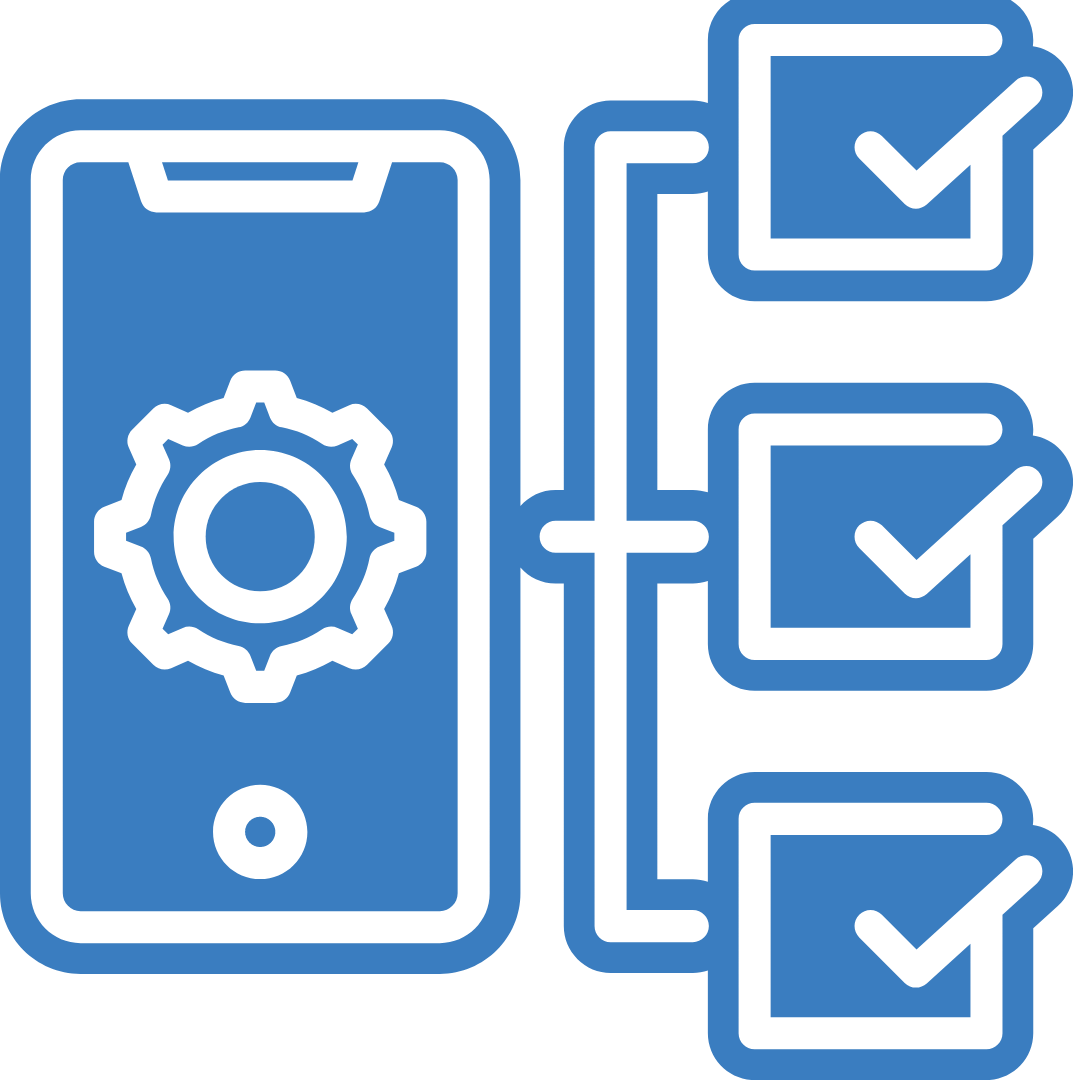
Software project management is intricately linked with development methodologies like Agile, Scrum, Waterfall, or Kanban. These methodologies integrate into project management frameworks. Leveraging project management software aids in several key components:
- Define Expectations: Outline project scopes and deliverables in a centralized location. It keeps misunderstandings at bay.
- Task Allocation: Assign tasks to prioritize workloads and adapt to urgent requests.
- Deadline Management: Monitor deadlines and proactively communicate potential delays so transparency is never compromised.
- File Sharing and Communication: Reduce distractions by streamlining information sharing and communication.
- Real-time Updates: Access real-time reports so you can manage tasks and recognize resource gaps.
Managing Developers without Technical Experience

As a manager, sometimes, you may not always have the expertise to understand the technicalities involved. Don’t sweat it! Even without a technical background, you can still successfully manage your team with these effective strategies:
- Respect Their Craft: Acknowledge that software development is creative work, valuing quality, quantity, and collaboration over mere output.
- Understanding Motivation: Encourage problem-solving in tasks. Even individuals personally invested in projects can help act as intrinsic motivation to take the project forward to victory.
- Open Communication: Be open to learning technical terminologies and seek clarifications to align with the team.
- Provide Precise Requirements and Feedback: Clear requirements and specific feedback enhance the quality of deliverables.
- Shield from Distractions: Minimize unnecessary tasks and protect the team from unrealistic deadlines and distractions.
- Leverage Managerial Strengths: Translate client goals, communicate work progress, and establish clarity in roles and priorities.
Managing and Leading Remote Teams

In an era of remote work, specific strategies apply:
- Trust and Training: Trust the remote team, establish processes, and ensure clarity from the project's outset.
- Time Zone Efficiency: Utilize overlapping hours for effective communication and reduce interruptions.
- Effective Meetings: Balance regular meetings for updates without hindering deep work.
- Collaboration Tools: Choose tools that facilitate communication, file sharing, and project management.
- Continuous Feedback: Offer immediate feedback and encourage a culture of feedback collection for iterative improvements.
Best Practices that Accurately Measure Software Team Performance
Once you understand team dynamics, follow the best practices that accurately measure software team performance. Here are goals, objectives, and perfomance measurement metrics that align with your project's unique priorities:
1. Strategic Alignment of Key Performance Indicators (KPIs):

Goal: Your KPIs should be in sync with the company's overarching strategy for better, more meaningful outcomes.
Objective 1: Collaborate with stakeholders to identify KPIs that are most relevant to the company's goals, enhancing clarity and effectiveness.
Objective 2: Connect the chosen KPIs directly to the strategic objectives, making it clear how achieving these metrics impacts the broader mission.
2. Ongoing KPI Monitoring and Reporting:

Goal: Put together a robust system for tracking and reporting KPIs regularly to empower timely decision-making.
Objective 1: Establish efficient tools and processes to manage available data, ensuring KPIs remain actionable.
Objective 2: Implement a reporting mechanism that enables quick responses to deviations from KPI targets.
3. Feedback Integration:
Goal: Foster a culture of open communication by encouraging team members to provide insights, suggestions, and feedback on performance data.
Objective 1: Create an environment where team members feel comfortable sharing their perspectives on KPI outcomes.
Objective 2: Leverage this feedback to identify and resolve any issues that may arise in the software development process.