Beyond Functionality: Designing Software with User Emotions in Mind
Empathy is a technical skill. A secret superpower for software developers and designers. Writing the most sophisticated code or leaving stakeholder meetings wit

Empathy is a technical skill. A secret superpower for software developers and designers. Writing the most sophisticated code or leaving stakeholder meetings wit
Empathy is a technical skill. A secret superpower for software developers and designers. Writing the most sophisticated code or leaving stakeholder meetings with clear directives doesn’t guarantee the success of your software products. User experiences do.
Yet, can empathy be woven into every aspect of the software development process, from ideation to execution? Absolutely! But first, let’s look at empathy in design and development and why is it crucial, how emotion-driven UX design and development can be put into action, and then practical ways to create user-centric software design, and a few real-world examples of empathy-centric user applications.
What is Empathy in Design and Development?

At its core, empathy is the insightful ability to perceive and internalize the emotions of others. For those involved in software creation, it serves a critical role in aligning the end product with the actual feelings, needs, and expectations of users. Incorporating this understanding into the design thinking process enables a detailed focus on crafting experiences that go beyond superficial requirements, addressing the deep-seated concerns, motivations, and pain points of the customer.
Simply put, empathetic software development is what makes a user say, “Yes! They genuinely understand my concerns, motivations, needs, and pain points and are willing to create software depending on that.” - That’s where empathy comes in, a key ingredient for user-centric software that resonates.
Why is Empathy Such a Big Deal in Software Development?
Merely designing user experience isn’t enough. Empathy and design thinking have to collaborate. Gradually, the software development community is realizing how crucial empathy is. This practice, known as Empathy-Driven Development (EmDD) is about making sure our technical skills are harnessed to create experiences that genuinely resonate with our users.
When developers can step into their users' shoes, embracing their perspectives and emotions in the software development life cycle, they create solutions that not only solve challenges but also meet ambitions. This approach guarantees that the software experiences we build are not just impressive but have that human touch. It paves the way for human-centric software solutions.
Empathy-Driven Development for Designers
Designers play a crucial role in translating empathetic insights into tangible interfaces.
Here’s how Empathy-Driven Development (EmDD) takes form in design:
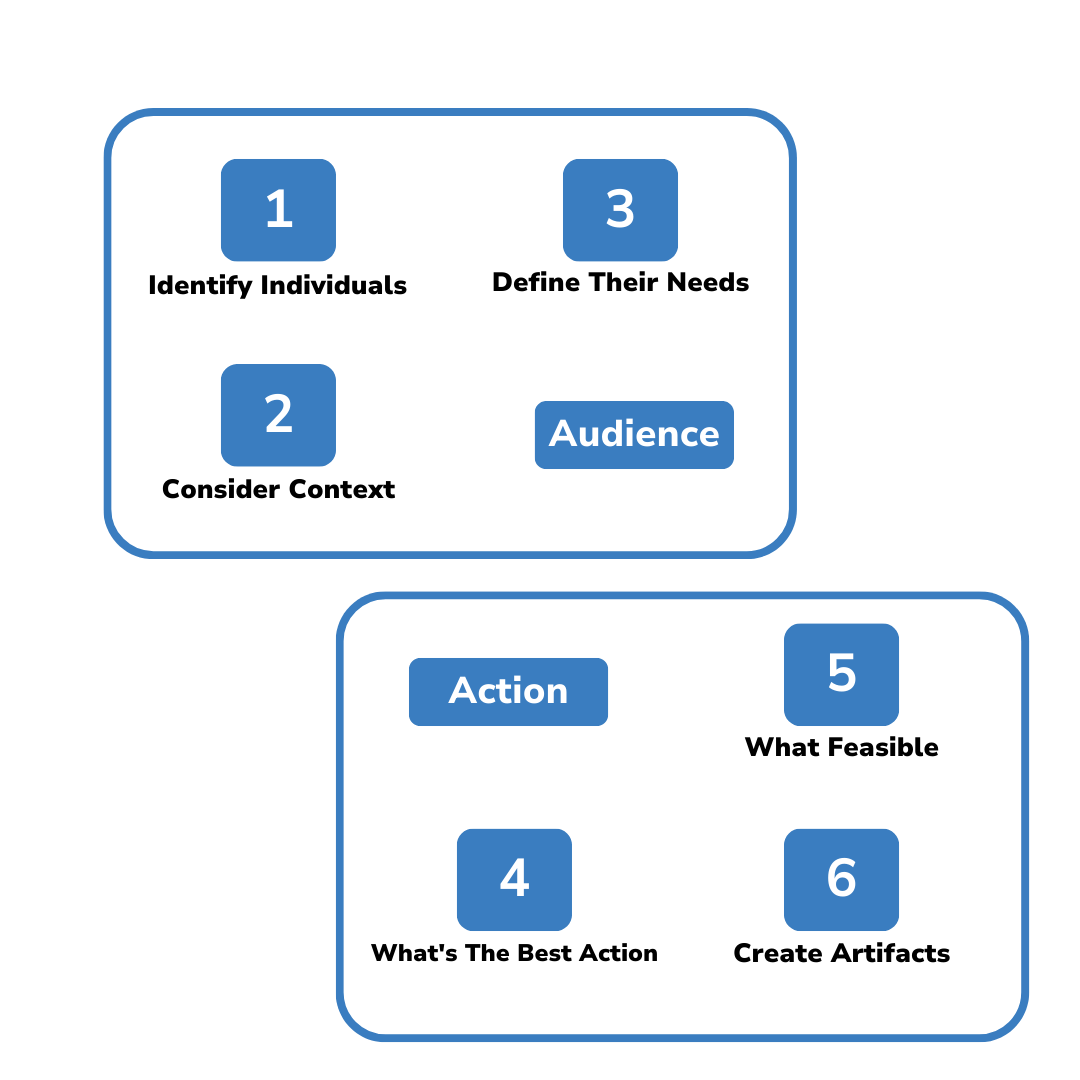
- Identify the Target Audience: Start by mapping out everyone interacting with your interface. Consider the varied user profiles that come across your design, including people from different backgrounds and with different needs.
- Consider Their Situation: Place yourself in the shoes of your users. What environments might they be in when they use your UI? What stresses or challenges could they be facing?
- Pinpoint User Needs: What does each user need from your UI? Investigate by engaging with them, seeking feedback, and truly listening to uncover deeper insights into their interactions.
- What’s the Best Action? With a clear picture of your users, think about the design elements that could improve their experience. For instance, larger touch targets might help users with less dexterity, or clearer error messages can reduce frustration.
- Balance Ideal with Possible: Implementing everything you wish for is not always feasible, but even small design improvements can make a big difference. Focus on what can be done within your resources to make the user experience smoother and more intuitive.
- Document Your Process: When you've addressed the primary design challenge, don't stop there. Keep a record of your thought process, choices, and limitations. Document your design journey with intent and purpose for future reference.
That’s how empathy in UX/UI comes to life!
Practical Approach to Empathy-Focused Software Design

- Embrace User Research and Feedback Loops
- Conduct in-depth user research to understand user behaviors, preferences, and pain points.
- Engage with them through interviews, surveys, and usability testing to gather qualitative and quantitative data.
- This invaluable feedback will not only inform your design decisions but also help you develop a deeper appreciation for your users' experiences so you can create emotionally intelligent interfaces.
- Develop Personas and User Journey Maps
- Once you've gathered user data, create detailed personas that represent your target audience segments.
- Personas embody the motivations, goals, behaviors, and frustrations of your real users.
- Additionally, create user journey maps that visualize the end-to-end experiences of your personas, so you can predict their interactions with your product or service.
- Build Empathy in Your Team
- Encourage open discussions about user experiences, share user research findings, and celebrate successes and failures through the lens of user impact.
- Create opportunities for team members to directly interact with end-users, whether through usability testing, customer support, or on-site visits.
- This direct exposure helps cultivate a deeper sense of empathy and inspires innovative solutions.
- Prioritize Accessibility and Inclusivity
- Think about the diverse needs of those with disabilities or unique circumstances.
- Prioritize accessibility and inclusivity in your decision-making for design and development by implementing screen readers, alt text for images, keyboard navigation, and other features.
- Embrace Iterative Design and Agile Methodologies
- User needs and expectations are constantly evolving, and your software should adapt accordingly.
- Embrace iterative design and agile methodologies that allow for continuous user feedback and rapid iteration.
- Create User Interfaces that Appeal
- Embrace design principles focused on the human experience.
- Incorporate human-centered design principles, such as clear communication, consistent language, and natural interactions.
- Small details, like personalized messaging and animations, create an engaging and empathetic user experience.
- Prioritize Ethical Design and Data Privacy
- Respect user privacy, security, and ethical concerns for software design empathy.
- Transparency and trust are crucial components of an empathy-driven user experience.
- Measure and Optimize for User Satisfaction
- Implement metrics and analytics tools to measure key performance indicators (KPIs).
- User engagement, retention, and overall satisfaction can be criteria for judgment.
- Use this data to identify areas for improvement and continuously optimize your software.
Real-World Examples: How Empathy Shaped User-Centric Applications
While the principles of building empathy into software are universal, some real-world examples truly exemplify the impact of user-centric design. Let's explore a few cases where empathy took center stage, resulting in products that resonate