How AI is Shaping the Future of Healthcare & Medical Technology
The TV shows and movies we watch have finally turned into a reality, and today, artificial intelligence is saving lives globally. Whether it’s catching a cancer

The TV shows and movies we watch have finally turned into a reality, and today, artificial intelligence is saving lives globally. Whether it’s catching a cancer
The TV shows and movies we watch have finally turned into a reality, and today, artificial intelligence is saving lives globally. Whether it’s catching a cancer diagnosis that human eyes don’t see, helping remote patients connect with experts overseas, or speeding up the search for breakthrough medications, AI in healthcare is making a noticeable impact.
Healthcare is undergoing its biggest shake-up since antibiotics arrived, and AI is at the heart of this change. Yet there’s a tough reality to face: almost half of the world—about 4.5 billion people—still doesn’t have access to basic healthcare. But here’s the silver lining: AI has real potential to narrow that gap.
Although healthcare has been a bit slower to embrace AI compared to other industries, the global AI in healthcare market is projected to reach about $187.69 billion by 2030, growing at an impressive rate of 38.62% from 2025 to 2030.
Here are some AI healthcare innovation trends that are changing the future of medical technology for the better.
Redefining Diagnosis through AI Technology
Picture a radiologist sifting through thousands of medical scans daily, their eyes starting to tire by the afternoon. With AI healthcare innovation, diagnostic medicine has improved and can identify patterns in medical images that might slip past human eyes.
Enhanced Imaging and Pattern Recognition
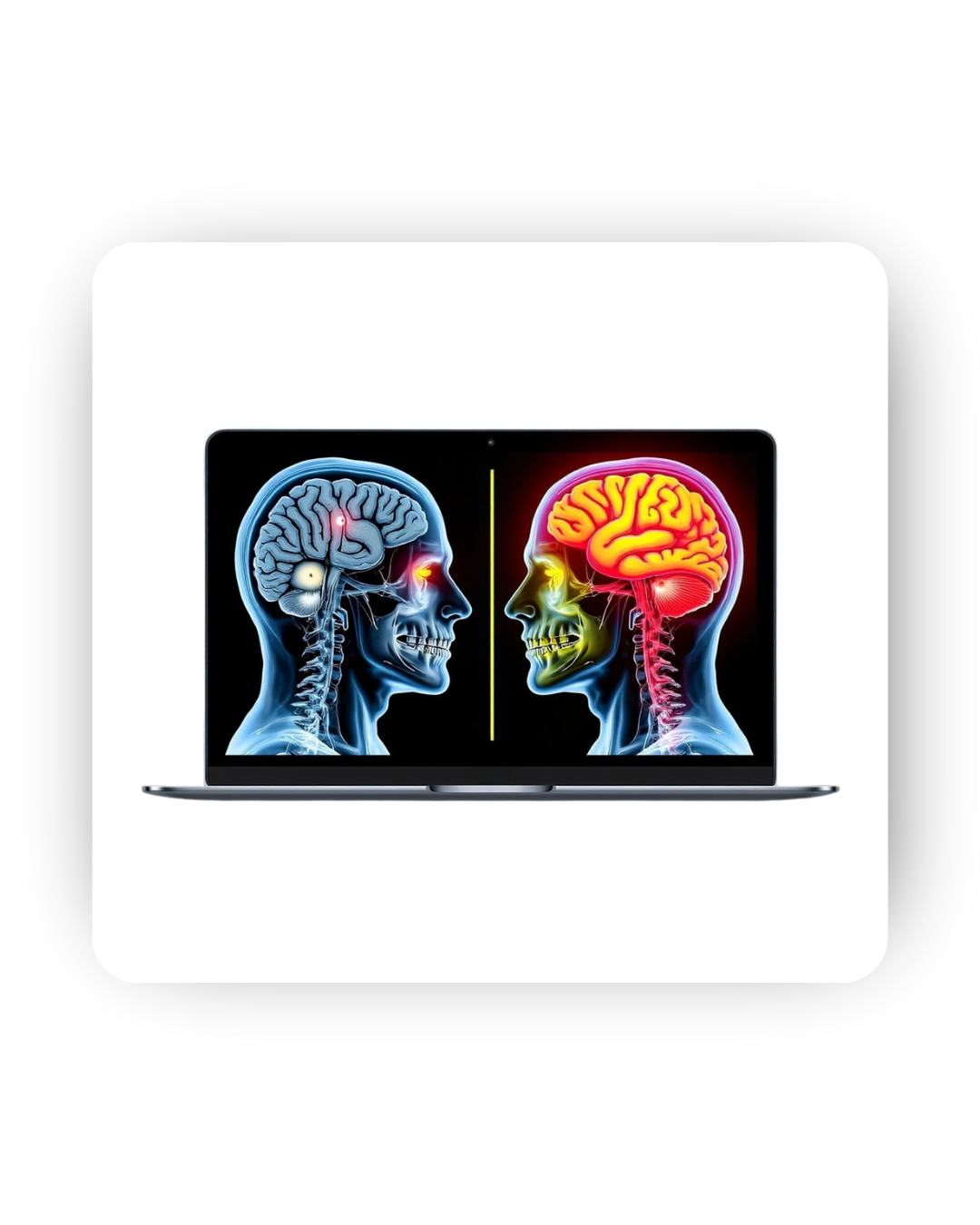
Medical imaging stands out as one of AI's standout successes in healthcare. It’s transforming how we approach diagnostic imaging by boosting accuracy, enhancing efficiency, and customizing healthcare delivery.
AI healthcare innovation can detect early-stage cancers precisely. Some studies suggest that AI improves breast cancer detection rates by 20% than traditional methods. Rather than replacing radiologists, these systems become relentless second opinions. These AI systems highlight potential concerns so doctors can focus their skills where they’re needed most.
Key Capabilities:
- Pattern Detection Excellence: Deep learning algorithms shine at spotting subtle patterns in medical images that humans may overlook.
- Multi-Modal Imaging Applications:
- Early cancer detection in mammograms
- Recognizing diabetic retinopathy in eye scans
- Accurately spotting pneumonia in chest X-rays
- Real-Time Analysis: By 2025, radiology departments anticipate diagnostics to be sharper than ever, merging high-resolution images with real-time data analysis.
Predictive Diagnostics and Risk Assessment
Today, healthcare systems are harnessing the power of AI to predict who might develop specific conditions before symptoms even appear. By digging into patterns found in patient data—like lab results and lifestyle choices—AI can flag individuals at high risk for heart disease, diabetes, or strokes, sometimes years ahead of time.
AI-driven predictive systems look at:
- Genetic Information: Factors like hereditary risks and genetic traits
- Lifestyle Factors: Elements including diet, exercise, environmental influences, and personal behavior
- Electronic Health Records: Past medical data and how patients have responded to treatments
Risk Prediction Applications:
- Assessing the likelihood of heart disease
- Identifying stroke risk
- Predicting the onset of diabetes
- Suggesting early intervention strategies
Predictive healthcare analytics is changing the game in proactive healthcare, helping us manage risks before they turn into serious health issues.
Customized Treatment Plans Enabled by Artificial Intelligence
Say goodbye to one-size-fits-all medicine! AI is bringing in a new age where treatments are personalized for each patient, considering their unique genetic traits, medical history, and lifestyle.
Precision Medicine and Genetic Analysis
Every person's DNA tells a distinct story, and AI is helping doctors understand what that means for treatment. By analyzing genetic variations alongside medical data, AI can identify which medications will be most effective and which ones might cause undesirable side effects.
Key Applications:
- Genomic Data Processing: Machine learning algorithms sift through complex genomic information to find the best therapies.
- Personalized Treatment Selection: Assessing individual genetic makeup, medical history, and lifestyle for tailored approaches.
- Treatment Optimization Benefits: This leads to fewer adverse drug reactions, better therapeutic outcomes, and less trial-and-error prescribing.
AI in Oncology: Tailoring Cancer Care

AI is revolutionizing cancer treatment by analyzing tumors at the molecular level. By studying cancer cells, AI can recommend targeted therapies that are more effective and have fewer side effects, significantly improving patients' outcomes and quality of life.
AI Oncology Applications:
- Molecular-Level Analysis: AI inspects cancer cells closely to inform treatment.
- Genetic Mutation Identification: It identifies specific mutations to choose targeted therapies.
- Treatment Personalization: Tailored therapy recommendations and optimized drug combinations that reduce side effects.
- Outcome Improvements: Achieving better results for patients across different types of cancer through precision medicine.
With AI leading the charge, customized treatments are set to transform healthcare for the better!
AI's Contribution to Medical Research and Drug Development
AI is making some serious waves in drug discovery and development. What used to take decades and cost billions is now happening quicker and more efficiently than ever!
Accelerating Clinical Trials with Data Analytics
Clinical trials are crucial for medical advancement, but they’ve often been slow, costly, and inefficient. Enter AI, which is revolutionizing the process by helping researchers find the right patients for trials, predicting which treatments are most likely to succeed, and even simulating outcomes before the trial begins.
AI Improvements in Clinical Trials:
- Patient Recruitment Optimization: Analyzing electronic health records to find suitable participants and using algorithms for quick criteria matching, leading to faster recruitment.
- Trial Design Enhancement: Modeling patient outcomes to predict success, optimizing trial protocols, and improving risk assessments.
- Data Analysis Acceleration: Real-time processing and pattern recognition in trial results allow for quicker decision-making.
Computational Drug Discovery and Development
Traditional drug discovery often means testing millions of compounds to find a viable one. AI flips this model by predicting which molecules will be effective even before testing them physically. Currently, about 80% of professionals in the pharmaceutical industry are using AI in drug discovery, signaling a huge shift in how we develop new medicines.
AI Drug Discovery Capabilities:
- Molecular Simulation: Algorithms simulate how molecules interact and predict drug behavior.
- Toxicity P