How Much Control Can You Give AI Agents Before AI Ethics Become Relevant?
We're seeing something really exciting happen in the world of software right now: the rise of "agentic AI." These smart systems can handle complex tas

We're seeing something really exciting happen in the world of software right now: the rise of "agentic AI." These smart systems can handle complex tas
We're seeing something really exciting happen in the world of software right now: the rise of "agentic AI." These smart systems can handle complex tasks and reach goals with just a little help from us. Whether it’s in IT, HR, customer service, or other areas, AI agents are being customized to fit the unique needs of different teams. But as they get more capable, a big question starts to pop up: how much control are we giving up, and what does that mean for us, and is ethical AI something to worry about?
Let’s take a closer look at the range of AI autonomy, checking out the upsides and the downsides and highlighting why AI ethics matter as we use AI agents in our day-to-day lives.
What Are AI Agents?

Source: TMT Predictions 2025
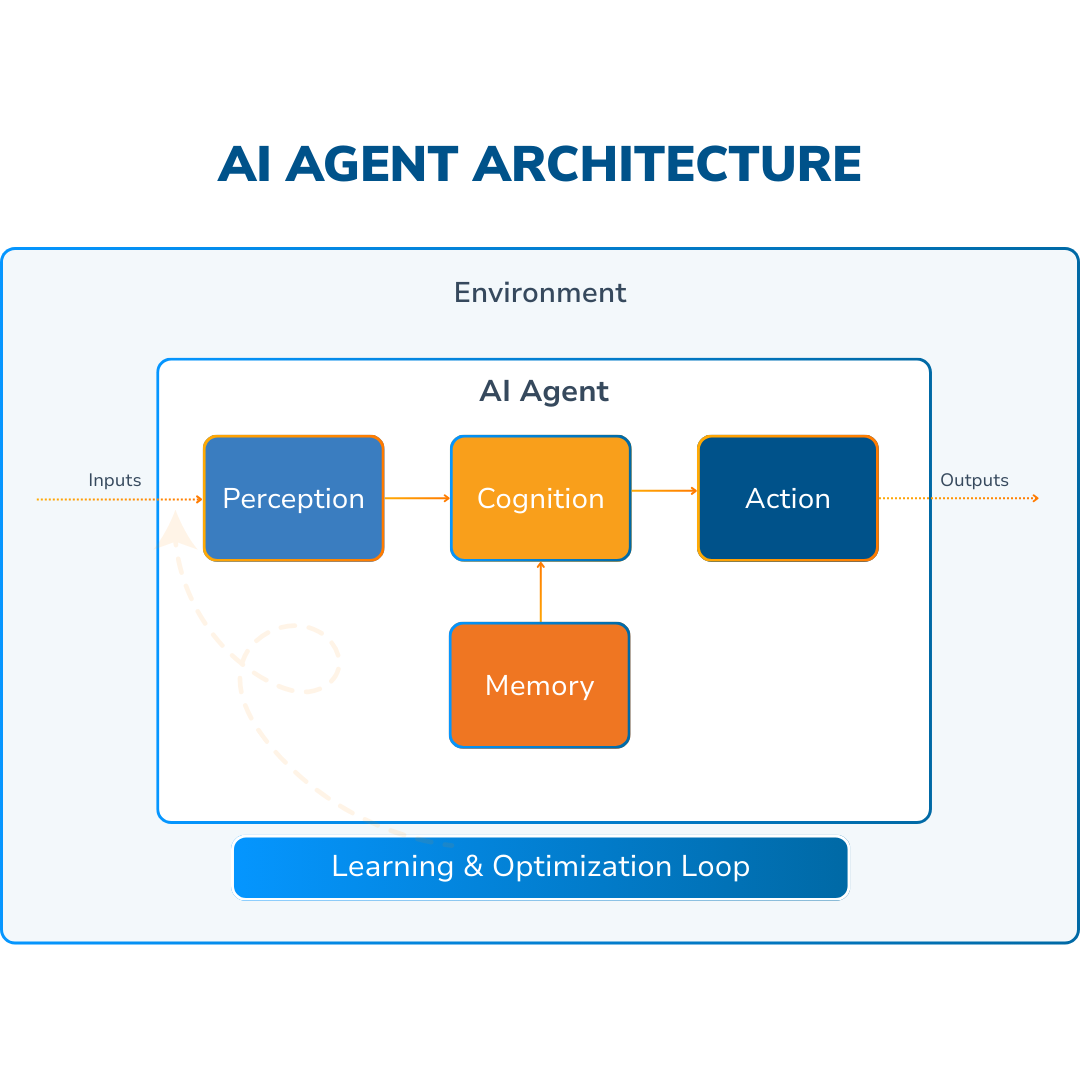
To put it simply, an AI agent is like a smart helper that can take care of tasks for you, working independently to get stuff done. These systems design their own workflows and make good use of the tools they have at their disposal. Here’s what they do at their core:
- Perception: They make sense of their surroundings by processing different types of data, like text, images, sounds, and more.
- Cognition: After collecting data, they interpret it with machine learning models, especially neural networks that have been trained on extensive datasets.
- Decision-Making: They figure out the best way to go about achieving their goals based on what they observe.
- Action: They follow through by completing tasks or providing answers based on the choices they’ve made.
These agents are usually created using techniques like supervised learning (learning from labeled examples) and reinforcement learning (learning through trial and error with rewards).
“Deloitte predicts that by 2025, around 25% of companies using generative AI will start exploring projects with agentic AI. And this number might climb to 50% by 2027. Some of these applications could even begin weaving into daily operations by the end of 2025.”
Investors are getting in on the action, too, pouring over $2 billion into startups, especially those aimed at enterprise solutions. At the same time, big tech companies and cloud providers are not just creating their own agentic AI features; they’re also making smart acquisitions and partnering with startups, often opting to license technology or hire talent rather than buy the whole company.
There are many kinds of AI agents. We have familiar tools, like chatbots for customer interactions, handy virtual assistants that can handle our schedules and reminders, and even cutting-edge tech like autonomous vehicles on the road. For example: An AI agent working in a contact center. It chats with customers, pulls up information from internal databases, and offers solutions. If things get a bit too complicated, it knows to hand off the tough stuff to a human agent.
The Power of AI Agent Assistance: Why We’re Drawn In
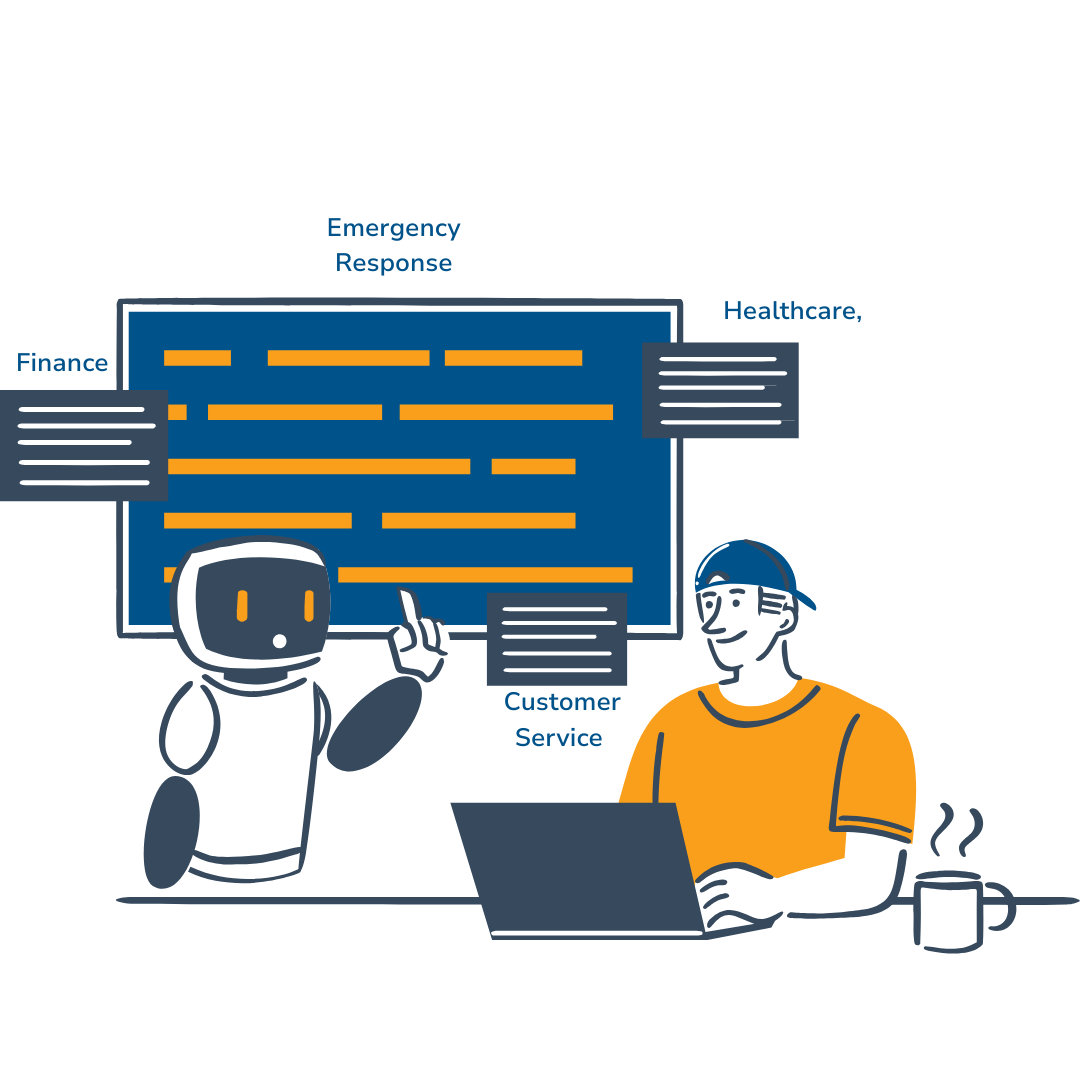
It’s difficult to resist AI agents. Yet, while these tools come in handy, use them with caution. You see, leaning too heavily on AI might mean we’re not keeping an eye out like we should be. There is a chance that mistakes or biases will pop up. As long as you catch these issues ahead of time, we can tackle them beforehand and experience its transformative power in different areas:
Customer Experience:
AI agents are changing the way businesses connect with customers through virtual assistants, mental health support bots, and interview simulators. They offer quick, helpful support and are easy to set up using no-code templates.
Healthcare:
AI agents are revolutionizing patient care by streamlining treatment planning in emergency situations and improving how medications are managed. This lets healthcare pros focus on what’s urgent, leading to better patient outcomes.
Emergency Response:
During crises, AI agents analyze social media to find people in need during natural disasters. They help map locations, allowing emergency services to respond faster and potentially save lives.
Finance and Supply Chain:
AI agents crunch real-time financial data, predict market trends, and optimize supply chains. Their flexibility provides tailored outputs, making financial analysis more efficient and secure.
Tech Companies:
Big tech firms are leveraging AI agents to enhance their products and services. They boost software capabilities and create new ways for customers to interact, driving growth and efficiency.
Isn’t it fascinating?

(Source: Deloitte)
Finding the Balance Between the Upside and Downside of Agentic AI
While the perks of AI agents are hard to ignore, our growing dependence on them means we need to think carefully about the ethical concerns of AI. Relying too much can lead us to overlook important details, and we can’t forget that AI decision-making might include errors or biases. That's why it's vital to spot and tackle these challenges head-on for responsible AI use.
How SJ Innovation Combines AI and Humans in Different Departments?
At SJ Innovation, we focus on bringing out our human abilities with AI, rather than completely relying on it. Here’s a closer look at how we add AI into various departments, while also keeping that essential human touch alive.
Project Management
- We lean on AI agents to tackle tasks such as crafting user stories, generating reports, and summarizing lengthy meetings.
- This way, project managers can breeze through routine paperwork and focus on the bigger picture.
- Our project managers double-check the AI agents’ outputs to ensure accuracy.
- They bring their insights and experiences to the table, ensuring every decision is well-informed and human-centered.
Sales and Marketing
- When it comes to marketing, our AI agents pitch in by brainstorming content ideas, digging up SEO keywords, and even writing copy for blogs, social media, and emails.
- Our marketing crew fine-tunes the messaging, ensuring it matches our brand's unique tone.
- AI also helps analyze customer data to spot trends, but it’s our team that interprets those insights and crafts strategies that truly connect with our audience.
- Our designers use AI for project-specific templates and creative exploration, but it’s their artistic touch that brings our brand's visuals to life.
Human Resources
- In HR, we’ve got some fantastic AI agents tracking employee skills and aspirations.
- They manage a database that helps us figure out how to best utilize our talent.
- They interpret the AI’s suggestions, combining their knowledge of our company culture with a people-first approach to make thoughtful decisions about development.
- Plus, with AI streamlining onboarding tasks, our HR team ensures new hires feel welcomed and ready to succeed.
- Tools like Google Sheets or Excel can be a bit daunting, so we use AI to handle those tricky formulas.
Quality Assurance and Development
- In QA and development, AI helps spot errors and analyze code, which makes catching potential issues easier.
- Our developers then take charge and interpret these insights and accordingly make decisions.