How to Prevent Cyberattacks: Analyzing 2024's Major Threats
Imagine a world where every digital move you take is monitored, manipulated, or even threatened by attackers you don’t have a clue about. In 2024, the US saw 3,
Imagine a world where every digital move you take is monitored, manipulated, or even threatened by attackers you don’t have a clue about. In 2024, the US saw 3,
Imagine a world where every digital move you take is monitored, manipulated, or even threatened by attackers you don’t have a clue about. In 2024, the US saw 3,158 data compromise incidents, affecting over 1.35 billion individuals through breaches, leaks, and exposure. These distinct events share a common thread. Each of them exposed vulnerabilities in technology and human behavior, proving that whatever we know of digital risk is only the tip of the iceberg.
We bring you a glimpse into these devastating cyberattacks of 2024. We analyze their root causes and provide actionable strategies on how to prevent cyberattacks. By learning from these incidents, individuals and organizations can turn hindsight into proactive resilience.
This piece digs into the most crippling cyberattacks of 2024, looks at what caused them, and shares practical tips on how to prevent cyberattacks. By reflecting on these events, business owners and tech companies can strengthen their defenses, transforming past mistakes into stronger readiness.
The Biggest Data Breaches of 2024
Here are some of the biggest data breachs of 2024:
National Public Data Breach

National Public Data (NPD), which, not too long ago, was a little-known branch of Jerico Pictures, Inc., made headlines for all the wrong reasons. The cyberattack on it turned out to be the biggest data breach of 2024.
What Happened: In April, a data broker named USDoD shook things up by offering a whopping 2.9 billion records from NPD for sale on the Dark Web. According to Jerico, this situation affected roughly 1.3 billion people. The asking price? A staggering $3.5 million. It’s little wonder why criminals had their eyes on this data management firm.
Regulatory Fallout: Documents filed with the Maine Attorney General suggest that some serious penalties were on the horizon, likely including hefty fines. NPD users filed a civil lawsuit in August, claiming that the breach could’ve been anticipated and avoided with cybersecurity prevention. As if things couldn’t get any worse, in October, Jerico Pictures gave up and filed for bankruptcy, losing their customers’ trust completely due to the NPD incident.
Status of the Perpetrators: The people behind this data heist, including someone known as SXUL, are still out there, although USDoD has run into legal trouble.
What Data Was Involved: The stolen records included just about everything you can think of: Personally Identifiable Information (PII), historical addresses, social security numbers, and nicknames of the individuals listed.
How Did It Happen? The details are still a bit cloudy. The breach appears to have kicked off in December 2023, with SXUL targeting NPD’s servers using unknown methods. The compromised data started popping up on dark web forums before ultimately landing in USDoD’s hands in April.
How to Stop It?
- Put in place solid and current cybersecurity practices, including regular security checkups, intrusion detection systems, and data encryption, so no one can access sensitive information.
- Monitor networks and systems for any suspicious activity and possible weaknesses.
- Cut down on how much sensitive data is collected and stored and use anonymization methods to protect individual privacy.
- Craft and test a thorough incident response plan to effectively manage and reduce the impact of data breaches.
The $25 Million "Deepfake CEO" Heist
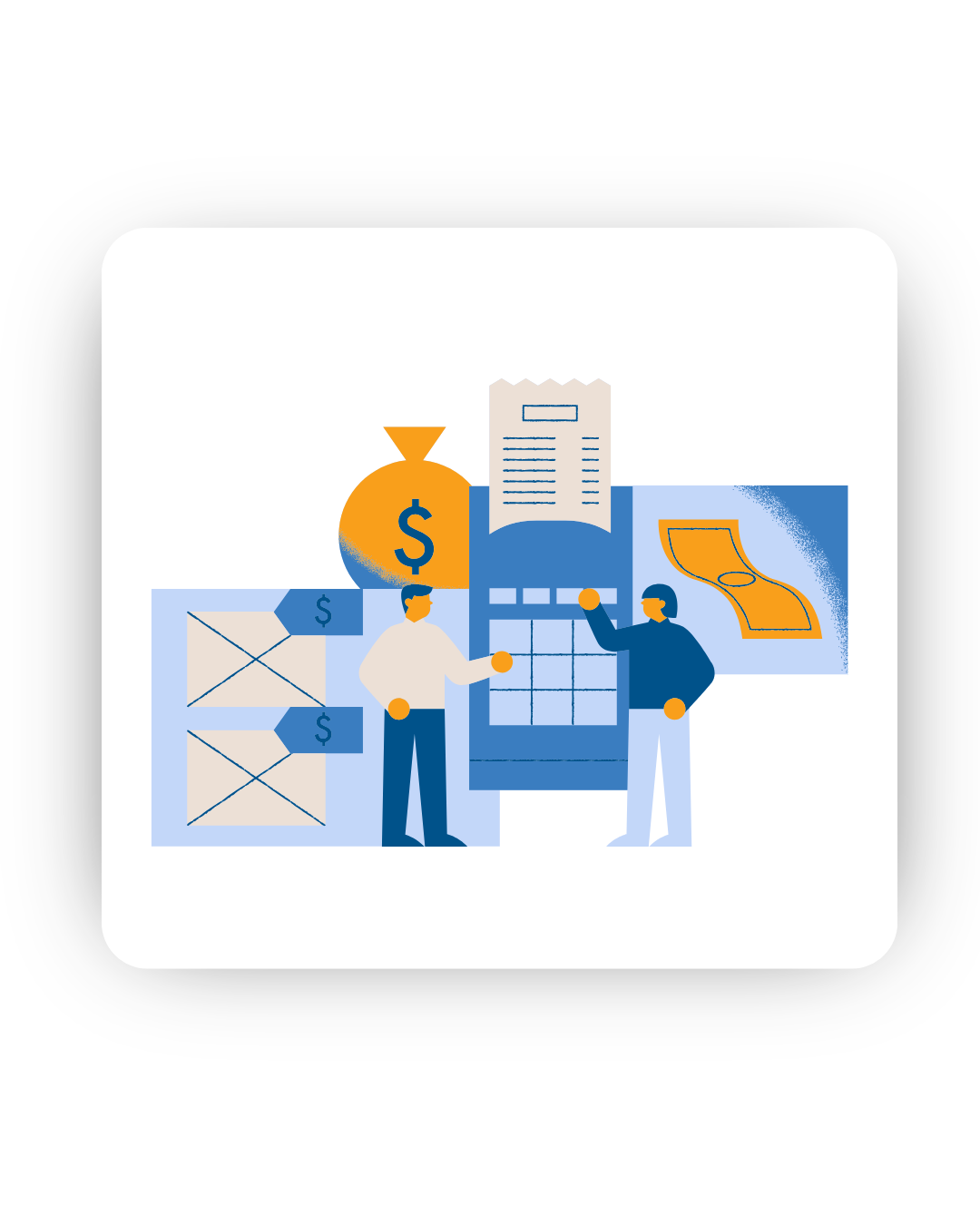
Let’s dive into one of the wildest cybercrimes of 2024—a scam where hackers pulled off a $25 million heist using AI-generated deepfakes to impersonate a CEO.
What Happened: The finance team at a big multinational company got a video call from who they thought was their "CEO." Jumping straight to the chase, it wasn’t him at all.
The "CEO" urgently greenlit a $25 million wire transfer to a so-called "vendor." The best part? The voice, facial expressions, and even the CEO's mannerisms were perfectly mimicked with AI tech, leaving no room for doubt.
How the Scam Worked:
- Phase 1: The hackers did their homework by scouring social media platforms like LinkedIn and Twitter for the CEO’s public speeches to train their AI.
- Phase 2: They spoofed the CEO’s email to set up the so-called "urgent" call.
- Phase 3: The deepfake tech delivered a flawless performance without glitches, awkward pauses to give anything away.
Aftermath: By the time anyone figured it out, the cash had already disappeared into offshore accounts. The firm only managed to snag back $3 million after tracing the money through 12 shell companies.
Why It’s Scary: No malware was needed. Just publicly available data and AI tools right off the shelf. This scam could target any employee with access to funds, not just the top management.
How to Stop It:
- Verify transfers in person or by phone, using pre-shared code words to make sure everything checks out.
- When looking at how to prevent cyberattacks, be wary of "urgent" payment requests and flag them for extra attention.
- Train your teams to spot AI quirks, like strange blinking during video calls.
Patelco Credit Union
Let’s talk about Patelco Credit Union—a well-known financial institution in the Bay Area that’s been around since 1936 and manages assets totaling over $9 billion. This rich history almost faced a major setback in June 2024 when they were hit by a significant ransomware attack.
What Happened: In June, Patelco discovered a major ransomware issue that raised serious alarms. Their first fraud alert showed a shocking 726,000 individual records were compromised, with the potential impact affecting over 1 million records.
What Data Was Involved: The breach risked a wide mix of sensitive info, including:
- Names
- Addresses
- Dates of birth
- Driver's license numbers
- Social Security numbers
- Credit reports
- Financial account details
How Did It Happen?
According to Patelco, the attackers first got into their network on May 23. By June 29, they had breached the databases for both customers and employees. The attack caused a shutdown of Patelco’s online banking, mobile app, and customer service centers, making it nearly impossible for the credit union to resist the demands from the attackers.
Subsequent Actions: It took them two months to alert regulators and customers about the breach. They managed to restore banking services after a tough two-week outage and provided support to customers in need of immediate access to credit reports.