QAOPs- Quality Assurance in Continuous Delivery Systems
QAOPs: What is it? QAOPs framework, a new flavor of DevOps is a prime example of 'QA - what is it?' in action. It brings the QA and software operations toget
QAOPs: What is it? QAOPs framework, a new flavor of DevOps is a prime example of 'QA - what is it?' in action. It brings the QA and software operations toget
QAOPs: What is it?
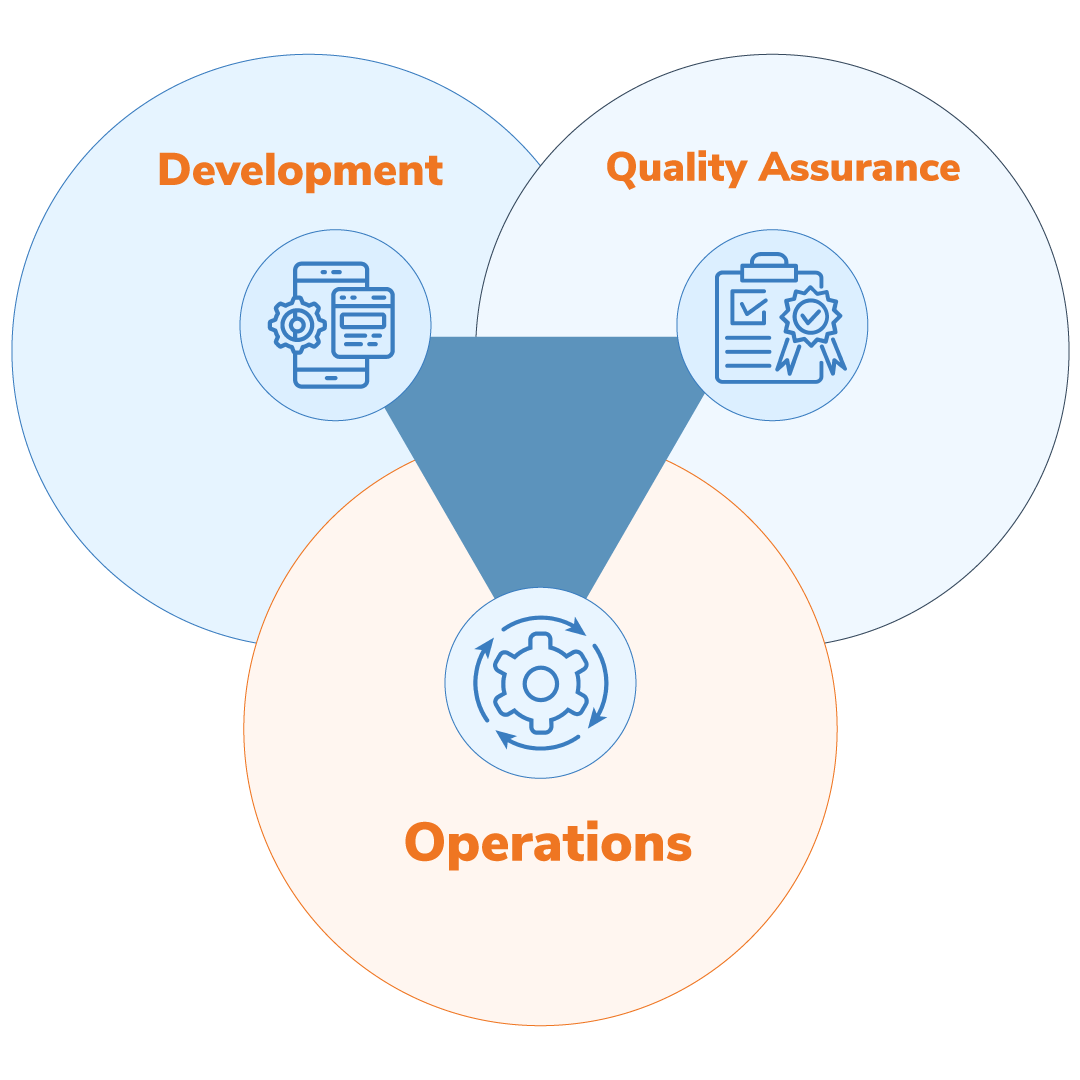
QAOPs framework, a new flavor of DevOps is a prime example of 'QA - what is it?' in action. It brings the QA and software operations together as a business practice. Generally, the Software Development Life Cycle includes QA at the end, but QAOPs recommend integrating testing and QA right from the beginning to the ending phase. This approach, which is at the heart of understanding 'QA - what is it?', may result in identifying bugs and producing error-free development cycles.
- An emerging practice that integrates QA (Quality Assurance) into the software delivery pipelines.
- methodology utilizes various DevOps tools to cultivate a healthy quality product creation culture.
- Aims to integrate testing practices at every stage of the product delivery pipeline.
- Integrating QA procedures, automation, and a QA reporting dashboard with the SDLC.

QAOPs is not a specialization, nor a team role
Understanding QAOPs simply based on an explanation can take time and effort. As a QA Operations Specialist, you will know if you know CI/ CD and how it fits within the software development lifecycle.
QAOPs mainly adhere to two key principles
QAOPs two key principles are:
- QA deeds must be incorporated into the Continuous Integration (CI)/Continuous Deployment(CD pipelines)
- QA engineers should work closely with the operations and developers team while building the CI/ CD pipeline.
While the SDLC relies deeply on the QAOPs procedure, its backbone lies in the fundamental framework of DevOps – Continuous Integration and Continuous Delivery (CI/CD).
By execution of QAOPs in DevOps, there are several QAOPs in DevOps rewards which are as follows:
- Workflow brings quick results with improved quality.
- The testing team works closely with other teams, thus escalating their skill level.
- A higher degree of reliability, quality, and stability, guarantee a better customer experience.
QAOPs: When to introduce?
There are two common situations when teams decide to introduce QAOPs.
1. The CI/CD product infrastructure isn’t optimized for automating quality assurance: When one needs to introduce and configure the QAOPs process in a CI/CD QA environment, either an automation QA engineer skilled in QAOPs or a tandem structure including a DevOps team and an Automation QA team may fit well. The combination of CI/CD proficiency with QA automation in a in a CI/CD staging production lays the groundwork for great QAOPs processes.
2. The testing infrastructure is very complex: The testing cloud infrastructure is intricate which requires QA automation engineers to have deep knowledge about configuring, maintaining, or enhancing it. This complexity becomes a bottleneck for product growth. In this case, a QAOPs engineer or any automation engineer with knowledge of DevOps spearheads the process transformation. This QA testing description highlights the importance of quality assurance in managing and improving these complex systems, ensuring continuous delivery and product growth.
QAOPs: Lifecycle
Now let’s look at the QA testing life cycle with respect to QAOPs.
The Lifecycle of QAOPs consists of 3 crucial steps:
1. Trigger
- In the crucial step of Quality Assurance, it's akin to trigger point injections, where the relevant tests are initiated whenever functionality changes are made in the Continuous Integration/Continuous Delivery CI/CD pipeline.
- The test has to be triggered only based on the changes made to functionality else we might lose precious time in testing the inappropriate areas where the changes are not made.
- So, when designing the triggering phase, you must keep three things in mind:
- Map out the testing at the preliminary stage.
- Consider all kinds of testing, counting integration testing.
- Employ testing for code verification and deployment.
Therefore, the triggering step must be well-mapped and planned with the automated test life cycle. If this step in the QAOPs process goes well, the entire team can be convinced enough of the product release.
2. Implement
- The parallel tests are executed in this phase which were approved in the trigger phase to ensure the product quality.
- It’s, therefore, essential to understanding the significance of this precise stage in the QAOPs procedure. Since the triggering step comprises planning out the testing, this phase executes the plan accordingly. Hence, the two crucial phases need to be performed in a row.
3. Report
- The report an outage phase kicks in once the tests are triggered and executed. This module showcases the result of the entire process, we should make sure to design the reporting module precisely to make the QAOPs process efficient and to provide quick summary information.
- Besides, the reporting module also includes and stores the history of previously running tests so that individual stakeholders can compare and evaluate the outcomes. Such reports should be made easily obtainable and on demand when needed.
When such three key steps of the QAOPs process are accomplished, it will lower the testing expenses and time a great deal, and that too, for various projects at a time.
The accurate QAOPs setup is a boon for the software delivery procedure.
QAOPs: Frameworks

Methodologies
QAOPs leverage the following series of test methodologies and QA framework to facilitate reduced testing cycles along with the quality and stability of the software.
1. Automated Testing
The QAOPs framework leverages automation to analyze the product’s quality, fastening the software testing process. However, an automated testing engineer must study the product before building an automation framework to better understand its specifications, functionality, and goals. Also, an automated testing QA must gather the required info for perfectly writing the automated test codes.
Once this analysis has been done, QA teams can implement the codes as a part of the QAOPs pipeline. Automated testing saves precious time and makes testing data further relevant.
2. Parallel Testing
Parallel testing runs manifold test cases on an app and its subcomponents across browsers and OSs simultaneously. Such tests are automated and can radically lessen the entire testing time, making parallel testing an ideal fit for QAOPs.
Testing parallel helps to rapidly identify “flaky” tests—that demonstrate both a passing and a failing outcome with a similar code. Noticing flaky tests prior in the SDLC aids teams in finding and eradicating unstable tests in their app.
- Parallel test functions well in QAOPs, enabling accelerated tests within the delivery pipeline, given the parallel data.
- In cases where server capacity allows, QA’s can launch CI/CD pipelines with smoke and automated tests in multiple parallel streams.