SaaS Trends Reshaping Business in 2025: Part 2
We're back with Part 2 of SaaS trends reshaping business in 2025. In Part 1, we spoke about how AI is more crucial than ever, vertical SaaS is taking over, and

We're back with Part 2 of SaaS trends reshaping business in 2025. In Part 1, we spoke about how AI is more crucial than ever, vertical SaaS is taking over, and
We're back with Part 2 of SaaS trends reshaping business in 2025. In Part 1, we spoke about how AI is more crucial than ever, vertical SaaS is taking over, and the way personalization has become the standard customer expectation. In Part 2, we'll understand the need for cybersecurity, usage-based pricing models, low-code/no-code SaaS trends, and Environmental, Social, and Governance (ESG) initiatives. Let's dive in!
Rapid Growth of Micro-SaaS
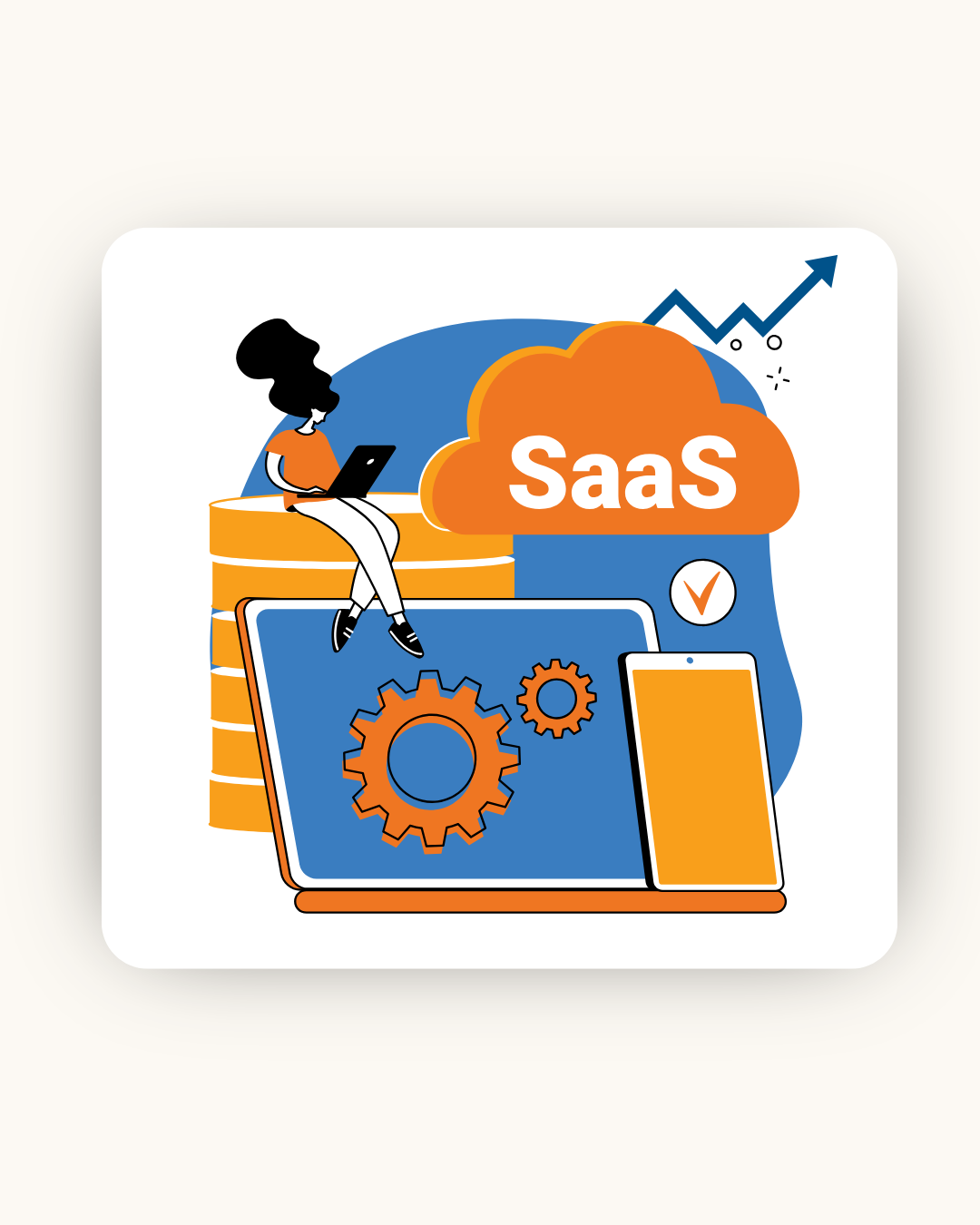
Have you heard of Micro-SaaS? It’s just what it sounds like—a scaled-down version of regular SaaS. It:
- Features a low barrier to entry
- Targets niche markets
- Offers agility and flexibility
- Provides specialization and expertise
Lately, smaller-scale solutions, often crafted by niche developers, are gaining traction. Micro-SaaS platforms focus on solving singular, well-defined problems. These lightweight, agile applications appeal to businesses seeking cost-effective, hyper-specific tools that complement larger systems. Micro-SaaS is high-level software specifically designed for small businesses. Think of it as a mom-and-pop store on the corner, allowing you to hone in on a small niche instead of going after a vast market.
Examples of Micro-SaaS platforms include an on-demand, virtual 1:1 mock interview service that helps job seekers prepare for interviews, rather than a broad career development tool. Another example is a platform tailored for freelance writers to manage their projects and client relationships, rather than more generic project management software.
Benefits of Micro-SaaS for Small Businesses
Affordable: Micro-SaaS platforms usually start around $5-50 a month, bringing powerful features within reach for small businesses on a budget.
Quick Setup: Forget lengthy installations; these tools can be up and running in hours or days, allowing businesses to boost productivity right away.
Tailored Features: Instead of paying for extra, small businesses get exactly what they need without the clutter.
Flexible Growth: Start small and ramp up usage as needed, steering clear of large initial investments in oversized software.
Niche Expertise: Built by developers who understand specific challenges, these platforms offer intuitive and effective solutions.
Real-World Success Examples
TweetHunter ($30K+ MRR): Aiding solo entrepreneurs and small marketing teams in automating Twitter growth and scheduling content.
Testimonial.to ($20K+ MRR): Simplifying customer testimonial collection for small businesses with an easy-to-use widget instead of complex CRM systems.
Carrd ($40K+ MRR): Allowing non-techies to create professional one-page websites in minutes, ideal for freelancers and small services.
These examples show how niche-focused solutions can bring immense value to small businesses while creating sustainable, profitable ventures.
Enhancement of Cybersecurity
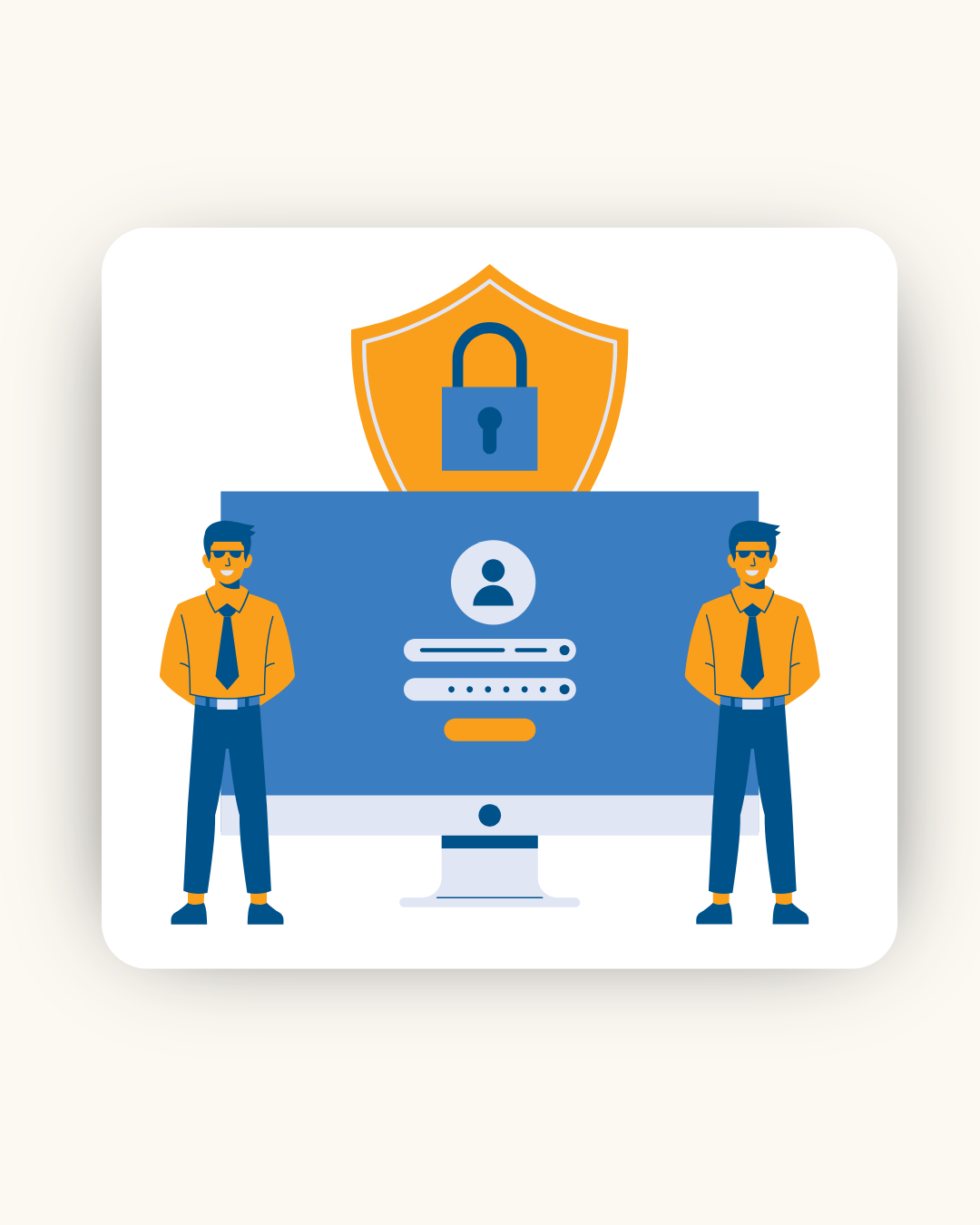
Recent findings from Obsidian Security show that SaaS breaches jumped by 300% between September 2023 and 2024. This increase is primarily due to more advanced cyberattacks aimed at SaaS platforms for financial profit, spying, and causing disruptions.
Also, case in point, the Microsoft Azure cloud misconfiguration that led to the exposure of data from 65,000 companies and 548,000 users.
- As security threats grow more intricate, SaaS tools are turning to AI for improved threat detection, streamlined compliance processes, and fraud prevention.
- Zero-trust security models are now the norm, meaning no user or device is automatically trusted, which helps minimize potential security breaches.
- Those who fail to implement solid security measures from the get-go risk losing customer trust along with facing hefty financial and reputational fallout.
If you're running a SaaS business, you should create a cybersecurity checklist and put preventative measures in place to keep your software secure.
- Use Strong Passwords: Go for unique and complicated passwords, and switch them up often.
- Stay Current with Updates: Keep your software and systems fresh to fix any vulnerabilities.
- Secure Your Network: Set up firewalls and protect your Wi-Fi connections.
- Encrypt Data: Make sure sensitive information is encrypted both when it’s being sent and when it’s stored.
- Train Your Team: Teach your staff about phishing attacks and good security habits.
- Have a Response Plan: Be ready with a plan for quick action if something goes wrong.
- Invest in cloud hosting solutions: Conduct regular cloud risk assessments by investing in secure cloud hosting solutions.
- Pick a reputed SaaS hosting provider: Choose a reliable SaaS hosting provider and implement a Cloud-Native Application Protection Platform (CNAPP).
Cybersecurity incidents can really shake up businesses. They can lead to major revenue drops because of downtime and pricey recovery efforts. Plus, these breaches can tarnish your reputation, scaring off customers and straining partnerships, which can have long-lasting repercussions. In short, a security breach can hit your finances and undermine trust in your brand, so having strong cybersecurity is absolutely essential.
Usage-Based Pricing Models
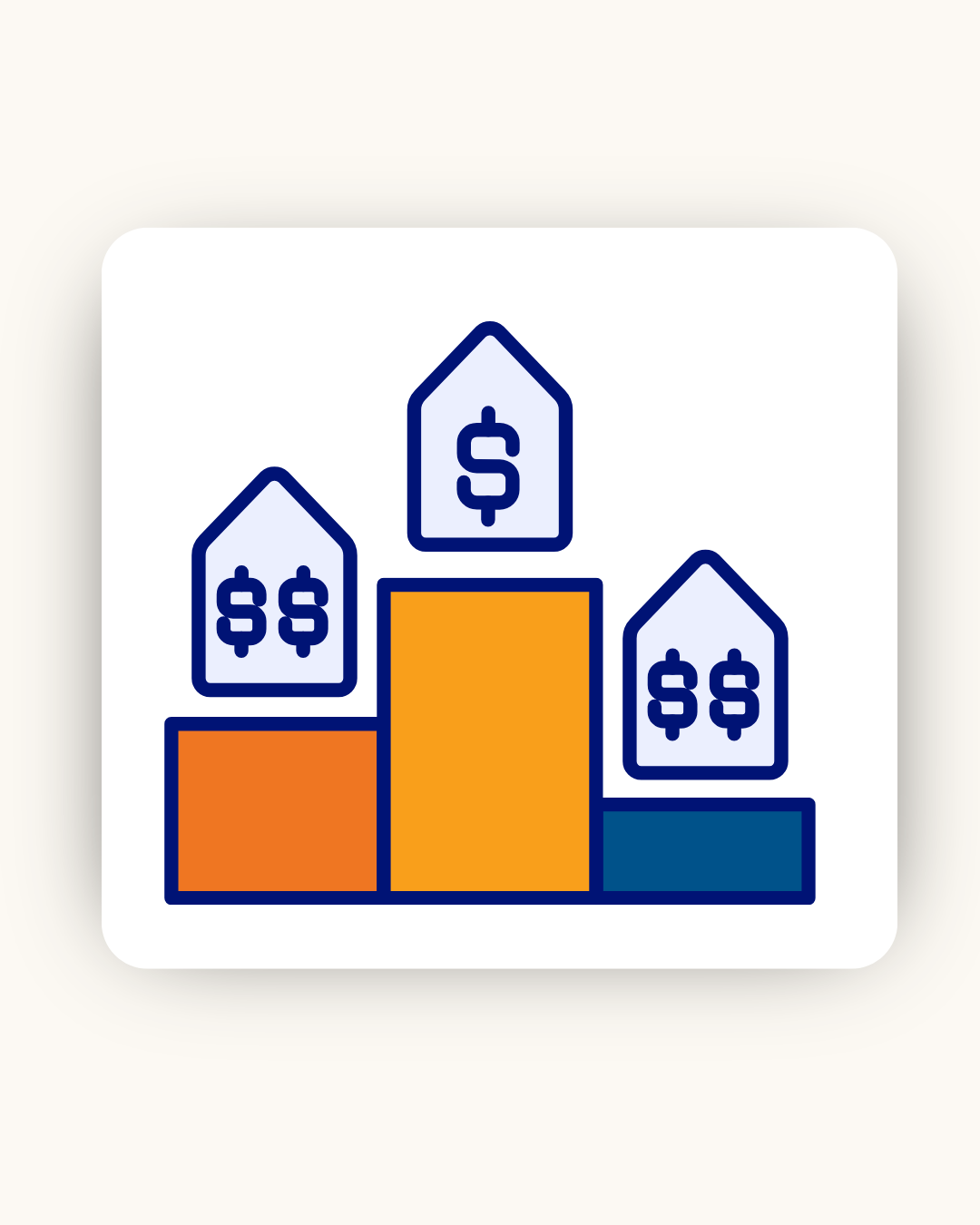
The shift to usage-based pricing models is transforming the SaaS landscape, providing a more personalized customer value experience. About 60% of SaaS companies are adopting some form of this pricing strategy. It enables customers to start using a product at a lower upfront cost, encouraging greater usage. This approach also boosts annual recurring revenue for SaaS businesses. Investors often prefer companies with usage-based models, as they signal higher customer value and retention.
This performance-driven model ties costs directly to the amount of service utilized. Whether billed by API calls, data volume, or user activity, usage-based pricing resonates with companies seeking tailored solutions that align with actual demand. This trend is expected to become more common in 2025.
Usage-based pricing can improve customer retention by connecting costs directly to usage and value. It encourages innovative applications within organizations, leading to more extensive product adoption.
The 2024 SaaS Benchmarks Report highlights this trend, showing that while 68% of companies still feature a subscription component for their AI offerings, many are experimenting with alternative strategies. One quarter (25%) of respondents employ usage-based pricing for AI features, and nea