The Definitive Guide to Database Testing: Ensuring Optimal Performance and Data Integrity
Welcome to the definitive guide to database testing! In today's digital landscape, where data reigns supreme, database testing plays a pivotal role in guarantee
Welcome to the definitive guide to database testing! In today's digital landscape, where data reigns supreme, database testing plays a pivotal role in guarantee
Welcome to the definitive guide to database testing! In today's digital landscape, where data reigns supreme, database testing plays a pivotal role in guaranteeing optimal performance and data integrity. Whether you're a seasoned QA professional or new to the world of software testing, this comprehensive guide will equip you with the necessary insights, best practices, and real-world examples to master the art of database testing.
In this guide, we'll delve into the fundamental concepts of database testing, explore database testing best practices, various testing techniques, and discuss essential considerations for ensuring the performance and integrity of your databases. So, let's embark on this exciting journey and discover how you can become a proficient database tester.
What is Database Testing?

Database testing is a critical process in software development that ensures the quality and accuracy of data stored in a database. It involves verifying that the database systems, tables, and columns function correctly and meet the requirements of the application.
Why is Database Testing Important?
A database is the backbone of most applications and plays a crucial role in storing and retrieving data. Incorrect or inconsistent data can lead to unexpected results, affect the overall functionality of an application, and hence degrade the quality of the software. Database testing helps identify any issues with data storage and retrieval, thereby improving the quality and reliability of the application.
Ensuring Data Integrity
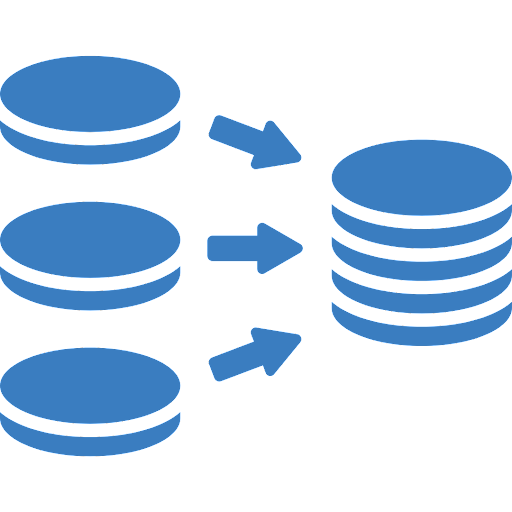
Data integrity is paramount in any software application. A single data discrepancy or corruption can have severe consequences, ranging from financial losses to compromised user trust. Database testing is the key to maintaining data integrity by verifying the accuracy, validity, and consistency of the data stored within the database.
Besides this, here's why data testing matters:
- Preventing Data Corruption: Database testing helps identify and rectify any issues that may compromise the integrity of the data, such as incorrect data types, missing values, or duplication.
- Validating Data Constraints: By applying appropriate tests, database testers can ensure that data adheres to predefined constraints, such as primary key uniqueness, foreign key relationships, and field length limitations.
- Handling Data Updates: Testing ensures that data updates, including insertions, deletions, and modifications, are performed accurately, which helps preserve data integrity throughout the application.
- Optimizing Database Performance: In today's fast-paced digital landscape, users expect software applications to deliver exceptional performance. A sluggish or inefficient database can hinder the overall user experience and adversely impact the success of an application.
- Identifying Bottlenecks: Through performance testing, you can pinpoint potential bottlenecks within the database, such as slow queries or inefficient indexing, and optimize them for enhanced speed and responsiveness.
- Load and Stress Testing: By simulating heavy user loads and stress conditions, database testing uncovers performance limitations, allowing you to fine-tune the database configuration for maximum scalability and efficiency.
- Strengthening Query Optimization: Through query analysis and optimization, database testers can fine-tune complex queries, minimizing execution time and enhancing overall application performance.
Now that we understand the importance of database testing, let's dive deeper into database testing best practices and some essential techniques to excel in this critical discipline. But first, the types of database testing.
Types of Database Testing
Functional Testing

This type of testing verifies that the database meets the functional requirements of the application. It involves testing database operations such as insert, update, delete, and retrieve data.
Structural Testing
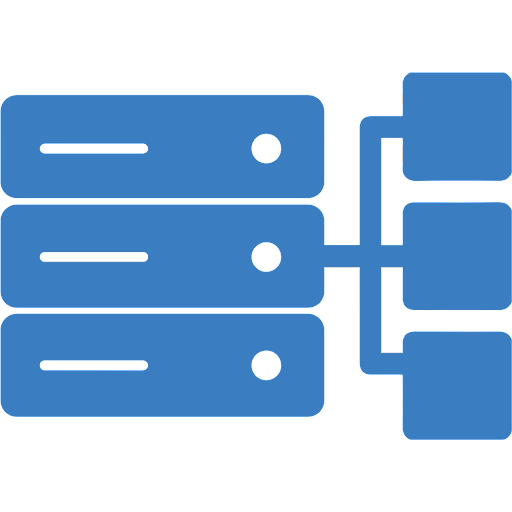
This type of testing focuses on the overall structure of the database, including the tables, columns, constraints, and relationships.
Performance Testing

This type of testing evaluates the performance of the database under different conditions. It measures the response time, scalability, and efficiency of the database.
Security Testing

This type of testing checks the security measures implemented to protect the data stored in the database. It includes testing for unauthorized access, data theft, and data manipulation.
Recovery Testing

This type of testing ensures that the database can recover from failures and restore the data in case of a crash.
How to Perform Database Testing?
- Create a test plan: A test plan outlines the scope of the testing process, the test cases to be executed, and the resources required.
- Create test data: Create a set of test data to be used during the testing process.
- Verify data integrity: Verify that the data stored in the database meets the requirements and is accurate.
- Test database operations: Test the various database operations such as insert, update, delete, and retrieve data.
- Test performance: Evaluate the performance of the database under different conditions.
- Test security: Verify the security measures implemented to protect the data stored in the database.
- Test recovery: Ensure that the database can recover from failures and restore the data in case of a crash.
Techniques and Best Practices for Database Testing
Finally, database testing best practices!
1. Test Case Design and Execution

Designing effective test cases is crucial for comprehensive database testing. Here are some best practices to consider:
- Identify Test Scenarios: Define various test scenarios that cover different aspects of the database, including CRUD operations (Create, Read, Update, Delete), data validation, and boundary conditions.
- Utilize Sample Datasets: Create representative datasets that mimic real-world scenarios to ensure thorough testing and accurate results.
- Implem