The Future of Human-AI Collaboration: What's Next?
Today, you can't look at Artificial Intelligence as an assistant, it's a partner, working alongside and making the unthinkable possible. The collaboration betwe

Today, you can't look at Artificial Intelligence as an assistant, it's a partner, working alongside and making the unthinkable possible. The collaboration betwe
Today, you can't look at Artificial Intelligence as an assistant, it's a partner, working alongside and making the unthinkable possible. The collaboration between humans and AI is becoming increasingly important across industries, from healthcare to finance to creative fields. But what does this collaboration truly mean, and how is it impacting our world? Let’s explore the potential and challenges of this transformative partnership. We’ll take a look at how human-AI collaboration is evolving, its future, and what lies ahead on the path to innovation and efficiency across various sectors.
What is Collaborative Intelligence?
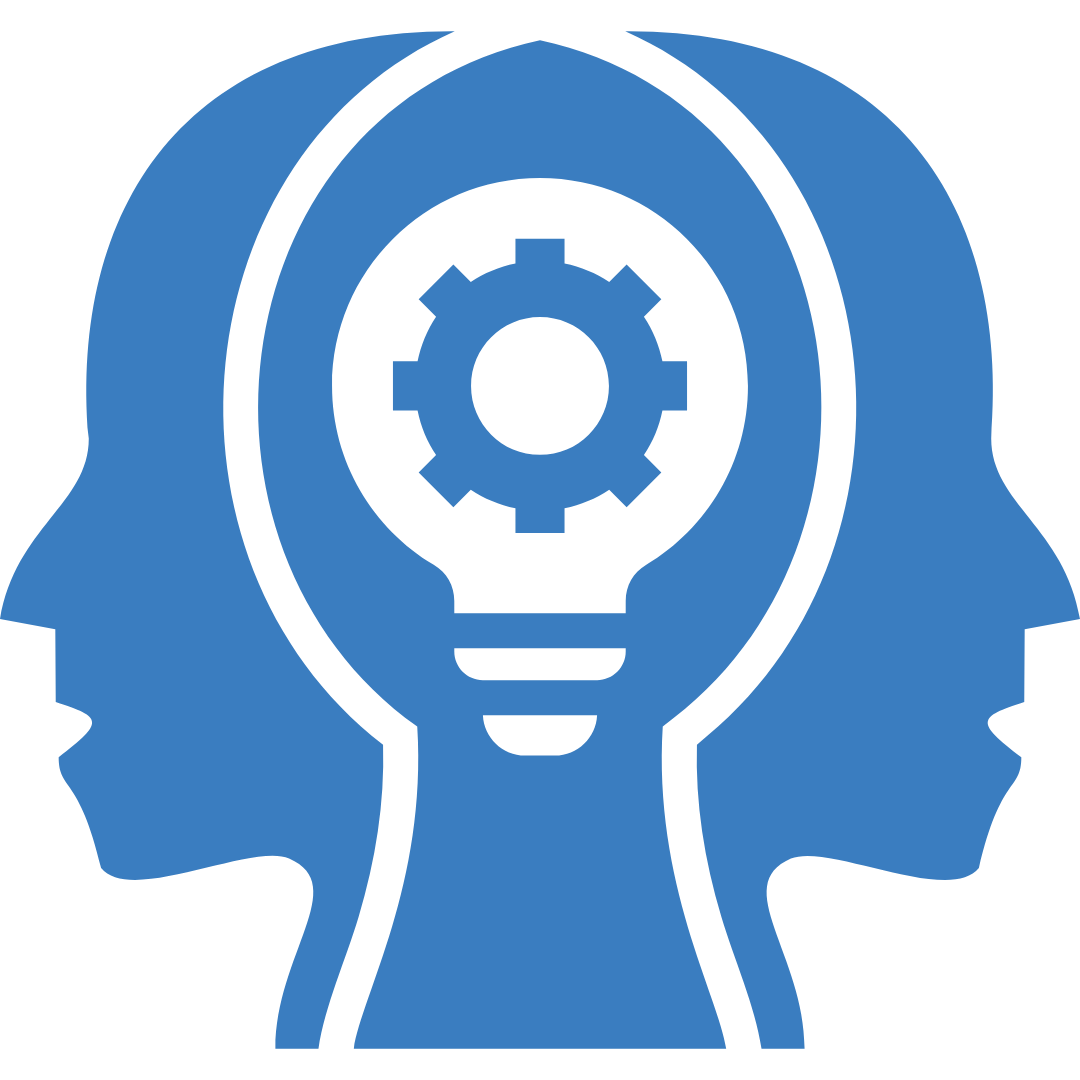
At its core, collaborative intelligence uses the unique strengths of both humans and AI to create a synergy that enhances decision-making, problem-solving, and innovation.
- While humans bring creativity, empathy, and intuition to the table, AI contributes with its unmatched capacity for data processing, precision, and consistency.
- Together, they form a powerful alliance, capable of solving complex problems more effectively than they could alone.
What does this mean for today’s fast-paced world?
Well, this collaboration is reshaping industries by amplifying human potential and ensuring that AI technologies are fully utilized. The result? More impactful and beneficial outcomes across sectors like healthcare, finance, customer service, and beyond.
Real-World Applications of Human-AI Collaboration

The practical applications of collaborative intelligence are diverse, touching every industry:
- Healthcare
- AI-assisted diagnostics are changing the way professionals approach patient care.
- AI provides doctors with data-driven insights that improve diagnostic accuracy and personalize treatment plans.
- This synergy allows medical professionals to focus on patient care while AI manages data analysis.
- Finance
- Automated trading systems, guided by human oversight, blend the best of both worlds: AI's computational power and human judgment.
- This ensures smarter, faster financial decisions while maintaining the necessary human touch in high-stakes situations.
- Customer Service
- AI chatbots handle routine inquiries, freeing human agents to focus on more complex issues requiring empathy and critical thinking.
- By offloading repetitive tasks to AI, businesses deliver faster, more efficient service while enhancing the customer experience.
These real-world applications of human-AI collaboration can boost productivity and innovation across industries.
Blending the Unique Strengths of Humans and AI
Humans and AI each bring in unique strengths, making their collaboration particularly effective. You can say it’s a human AI partnership:
- Human Strengths: We are adept in emotional intelligence, ethical decision-making, and complex problem-solving. This makes it easy to use our soft skills to understand nuanced situations, empathize with others, and think creatively whenever the situation arises.
- AI Strengths: AI is unbeatable when it comes to processing massive datasets, recognizing patterns, and performing repetitive tasks with speed and precision so proceedings can move forward faster.
By using these complementary strengths, organizations can optimize workflows. AI handles the data-heavy, repetitive tasks, while humans focus on strategic, creative, and emotionally complex decisions. This balance not only improves efficiency but also fosters innovation by allowing each party to operate in areas where they excel.
Navigating Challenges and Ethical Considerations
While the benefits of collaborative intelligence are clear, several challenges in human and AI partnering. There are also ethics of AI collaboration that must be addressed:
- Relying on AI a lot: Relying too heavily on AI can lead to the erosion of critical human skills, such as judgment and creativity. Humans must remain active participants in decision-making to avoid complacency.
- Data Privacy can be compromised: As AI systems process vast amounts of sensitive information, data privacy and security become paramount. Companies must implement stringent security measures to protect user data.
- Bias in AI may exist: AI algorithms are only as good as the data they are trained on. Ensuring that AI systems are free from bias and deliver fair, unbiased outcomes is essential.
To build a future where collaborative intelligence thrives, we must prioritize transparency, accountability, and human oversight. By proactively addressing these challenges, we can create an effective and ethical framework for human-AI collaboration.
Skills and Trust: The Pillars of Future Workforces

As AI becomes more embedded in the workforce, new skills will be required to ensure effective collaboration.
- Workers will need data literacy and AI fluency to understand and interact with AI systems.
- Adaptability and continuous learning will also be critical, as technological advancements demand ongoing skill development.
- Trust is another key element. For successful collaboration, workers must trust AI systems.
- This requires transparency, explainability, and reliability in AI technologies.
- When humans trust the tools they are working with, they are more likely to embrace them, leading to more productive and innovative collaborations.
How Does AI Encourage Human Creativity?
In creative industries, AI is changing the way we approach design, writing, and art. AI-driven platforms can assist creators by suggesting new ideas, identifying trends, and even automating repetitive tasks, allowing humans to focus on higher-level decision-making.
For instance, AI text generators can inspire writers by offering alternative phrasing or narrative suggestions, while AI-driven design tools help artists explore new concepts faster. However, AI’s role in creativity raises questions about authorship and originality—while machines can assist in producing content, it is the human touch that gives it meaning and purpose.
This collaboration ultimately enhances human creativity, allowing artists and innovators to push boundaries with the support of AI tools.
How Does AI Help in Decision-Making?
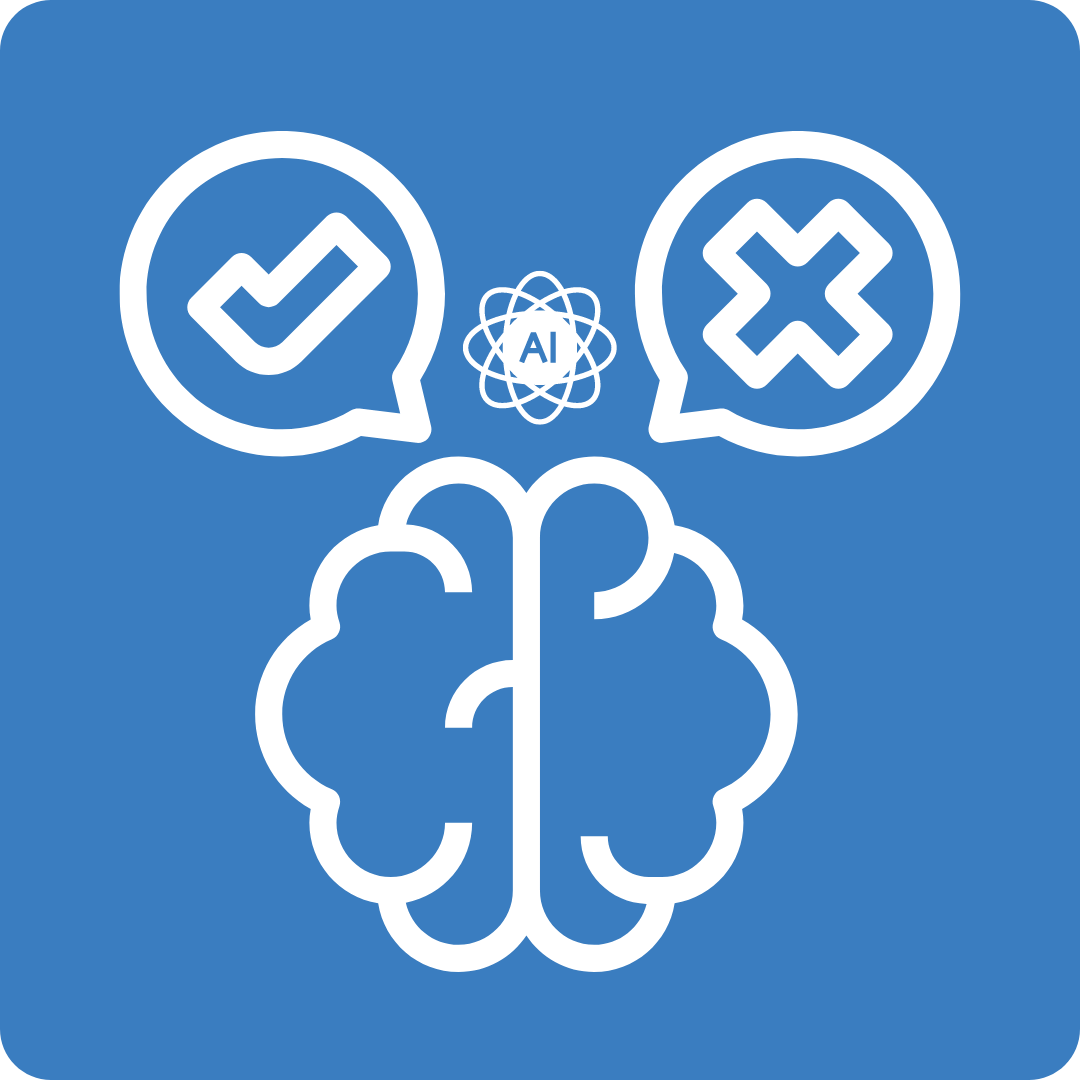
AI is increasingly becoming a powerful decision-making partner across industries like healthcare, logistics, and finance. By processing vast datasets in real-time, AI helps humans make quicker, more informed decisions. For example:
- In healthcare, AI can analyze medical data to assist doctors in diagnosing diseases and recommending treatments.
- In finance, AI-driven trading algorithms can predict market trends, providing valuable insights to human traders.
Though AI provides critical data analysis, human oversight remains essential. Humans must apply ethical and contextual judgment to AI-driven insights, ensuring decisions are aligned with broader societal values and goals.