The Importance of EMRs in Modern Healthcare
What is an EMR in healthcare? Electronic Medical Record(EMR) is a piece of software that is a digital version of traditional paper medical records and a very im
What is an EMR in healthcare? Electronic Medical Record(EMR) is a piece of software that is a digital version of traditional paper medical records and a very im
What is an EMR in healthcare? Electronic Medical Record(EMR) is a piece of software that is a digital version of traditional paper medical records and a very important one in the healthcare industry. EMRs offer various benefits such as increased efficiency, flexibility, ease of storing ample patient data, smooth working, etc.
Here are some key aspects highlighting the importance of EMRs:

1. Time saving:
- A key benefit for patients is that an EMR can decrease the time spent consulting with a healthcare professional.
- EMR provides accurate and complete information about patients at the point of care.
- Digital medical records also enable quick access to patient records for more coordinated and efficient care.
2. Efficiency and Accessibility:
- EMRs streamline the documentation process, reducing the time and effort required for manual record-keeping which promotes accessibility and affordability.
- Authorized healthcare professionals can access patient information quickly and securely, improving overall efficiency in delivering care.
3. Reduced Errors and Duplication:
- Electronic records reduce errors associated with manual record-keeping and minimize the chances of duplicate tests or procedures. This not only improves patient safety but also contributes to cost savings.
- The EMR accepts unique data hence no duplication of any data.
4. Improved Patient Care and Safety:
- EMRs help with improved health and safety standards and reduce the likelihood of medical errors by providing accurate and up-to-date patient information.
- Clinical decision support systems within EMRs can alert healthcare providers to potential drug interactions, allergies, and other safety concerns.
5. Support Section:
- EMRs often include support tools and assistance so at any point a user encounters any issue on their usage. There will be support provided immediately to reduce the complexity
6. Very Much Safer:
- EMRs can be viewed as a safer storage method of information as paper records can be easily misplaced or lost and can be accidentally destroyed or stolen if left unattended.
- Online EMR systems are much safer since the records are stored on a database that requires logging credentials to access them.
7. Easy to Understand:
- We’ve all heard the long-running mock about the handwriting of doctors, EMRs erase that issue with the information stored in a standardized legible format.
- Above all, they’re convenient and efficient for practitioners allowing them to diagnose patients, far more effectively and offer safer care.
Why Electronic Medical Records are Essential for Modern Healthcare
- Electronic medical record systems are essential for modern healthcare. They provide a comprehensive electronic record of patient information, making it easier for healthcare providers to diagnose and treat patients effectively.
- EMRs also enable providers to coordinate care across different settings, ensuring that patients receive high-quality care throughout their healthcare journey.
- Additionally, EMRs can help providers reduce costs, improve revenue cycle management, and enhance the overall quality of care.
The Vital Elements of EMR Systems
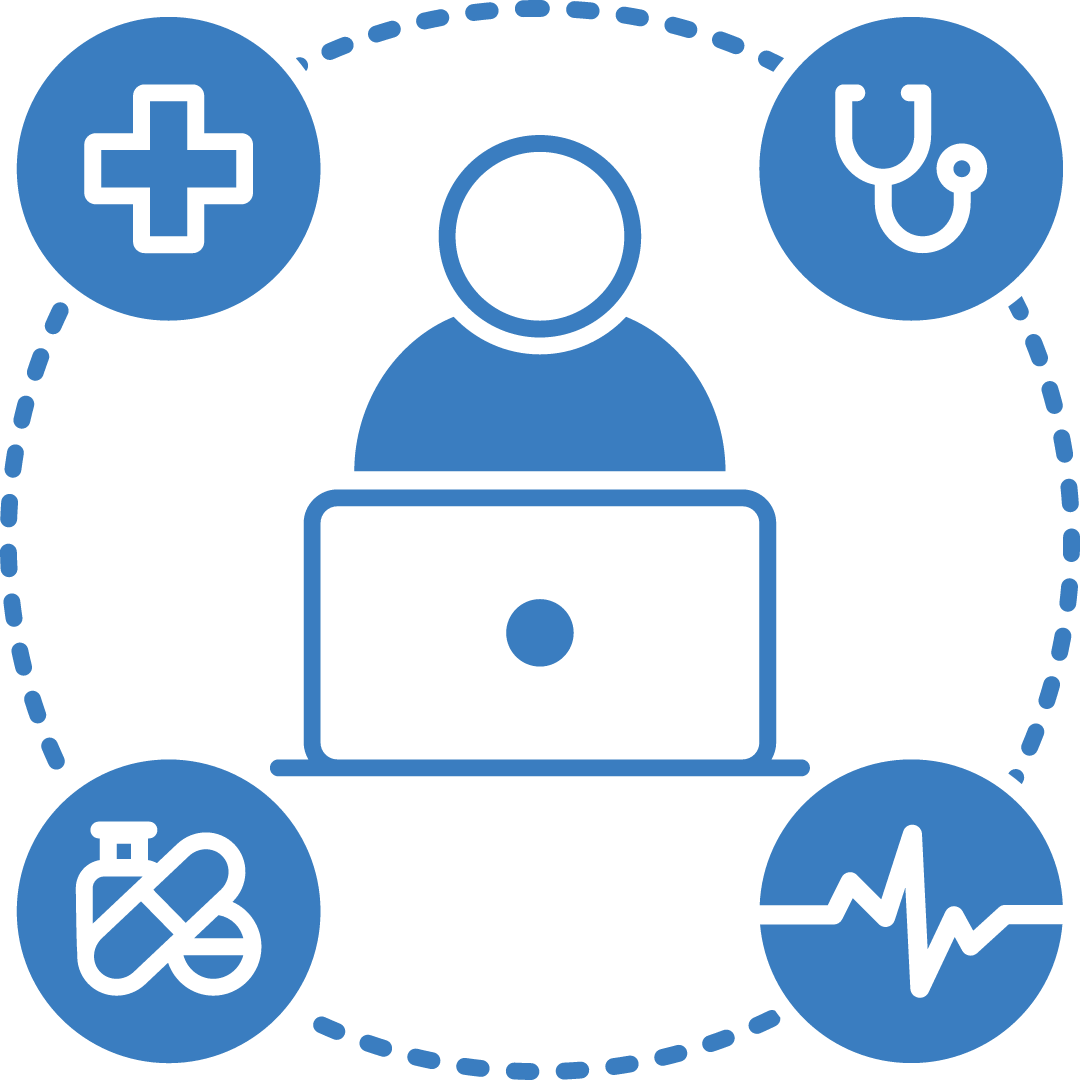
Electronic Medical Record (EMR) systems boast an array of integral components tailored to elevate healthcare delivery.
Patient Identification: The patient unique identifier houses pivotal information like the patient’s name, birthdate, address, contact details, and insurance particulars. These details ensure accurate patient identification and seamless continuity of care.
Medical Background: Meticulous records of the patient’s medical history, encompassing chronic ailments, surgeries, allergies, and family medical records, provide a comprehensive context for physicians during treatment and diagnosis.
Clinical Insights: This dynamic section includes ongoing health data such as physician notes, insight clinical counseling, vital signs, diagnoses, medications, and treatment strategies. It incorporates information from laboratories, radiology, and other diagnostic services.
Medication and Allergy Records: Detailed logs of medication allergy reactions and prescribed medications, encompassing dosage, frequency, and duration, are maintained within EMRs. Additionally, any known allergies to medications or substances are prominently recorded to prevent adverse reactions.
Immunization Tracking: The importance of EMR in nursing cannot be stressed enough. Accurate maintenance of patients’ immunization records, particularly for children and the elderly, holds crucial significance. These records are essential for school enrollment, international travel, and employment requirements.
These elements within EMR systems collaborate harmoniously, revolutionizing healthcare delivery by enhancing the precision, accessibility, and continuity of patient health records.
Key Functions of EMRs
Electronic Medical Records (EMRs) surpass being mere data repositories; they encompass multifaceted functions revolutionizing healthcare delivery. Here's an overview of the primary functions within EMRs:
Data Organization: EMRs help with a streamlined data management lifecycle. It helps compile extensive patient data into a centralized, easily accessible system. This streamlined data organization bolsters efficiency in healthcare facilities by providing essential information promptly.
Clinical Support: With sophisticated algorithms, EMRs offer clinical decision support, alerting providers about potential issues like drug interactions, allergies, and preventive measures. They also suggest diagnosis options, reducing errors and enhancing care quality.
Patient Interaction: Patient portals integrated into EMRs facilitate improved patient engagement. Patients can schedule appointments, request medication refills, access their medical records, and communicate with healthcare professionals. This transparency fosters shared decision-making in healthcare.
Data Exchange: EMRs ensure seamless data exchange among healthcare settings like hospitals, clinics, labs, and pharmacies. What is electronic data exchange? It is mostly interoperability that guarantees all involved providers access the same comprehensive dataset, enhancing care coordination and continuity.
Quality Monitoring: EMRs track clinical quality measures and public health data, aiding in performance assessment and quality improvement initiatives.
Billing Accuracy: EMRs help with accurate billing solutions, streamline billing and coding processes, reduce errors, and ensure accurate reimbursements. This function enhances revenue cycle management and alleviates administrative burdens.
Public Health Insights: EMRs analyze data to identify population health trends, enabling proactive public health initiatives and resource allocation.
EMRs go beyond data storage, enhancing data accessibility, patient engagement, clinical decisions, and healthcare coordination. As a result, they have become instrumental in modernizing healthcare delivery