The Science Behind Deep Learning: How It Works and Why It Matters: Part 1
Imagine teaching a machine to "see" the world—a simple image of a cat becomes a canvas for the machine to uncover shapes, textures, and meanings layer

Imagine teaching a machine to "see" the world—a simple image of a cat becomes a canvas for the machine to uncover shapes, textures, and meanings layer
Imagine teaching a machine to "see" the world—a simple image of a cat becomes a canvas for the machine to uncover shapes, textures, and meanings layer by layer until it identifies the cat with clarity. This same approach powers innovations like self-driving cars that interpret road conditions or virtual assistants that grasp the nuances of your voice.
From amplifying our daily interactions with technology to driving major breakthroughs in science and medicine, deep learning stands at the forefront of innovation. By processing information in ways inspired by the human brain, deep learning has opened up new possibilities, fundamentally changing our relationship with data and technology.
In Part 1 of this article, we'll explore what deep learning is, how it works, and the incredible ways it's shaping industries and changing lives.
What is Deep Learning?

Deep learning is a subset of machine learning in which multilayered neural networks learn from vast amounts of data.
Unlike traditional machine learning, which relies on human-defined features, deep learning automatically uncovers hidden patterns in vast amounts of data, giving it a unique advantage in processing and analyzing unstructured data like images, sound, and text.
This capability is groundbreaking, fueling innovations across all sectors.
Several breakthroughs are driving deep learning’s rapid rise:
1. Unmatched Computational Power:
- Graphics Processing Units (GPUs), Tensor Processing Units (TPUs), and Language Processing Units (LPUs) offer speeds that were unimaginable just a decade ago.
- These specialized processors allow for the swift training of deep learning models, greatly shortening the time from concept to deployment.
2. Abundance of Data:
- The explosion of data has fueled the rise of deep learning.
- With access to vast datasets, deep learning models can achieve higher accuracy by learning from diverse examples, amplifying their ability to generalize.
3. Advanced Network Architectures:
- Robust architectures such as convolutional and recurrent neural networks are specifically designed to tackle complex problems with accuracy.
- These architectures are designed to efficiently handle specific data types, such as images and sequences, optimizing performance for tasks like image recognition, language processing, and so on.
How a Simple Deep Learning Network Works
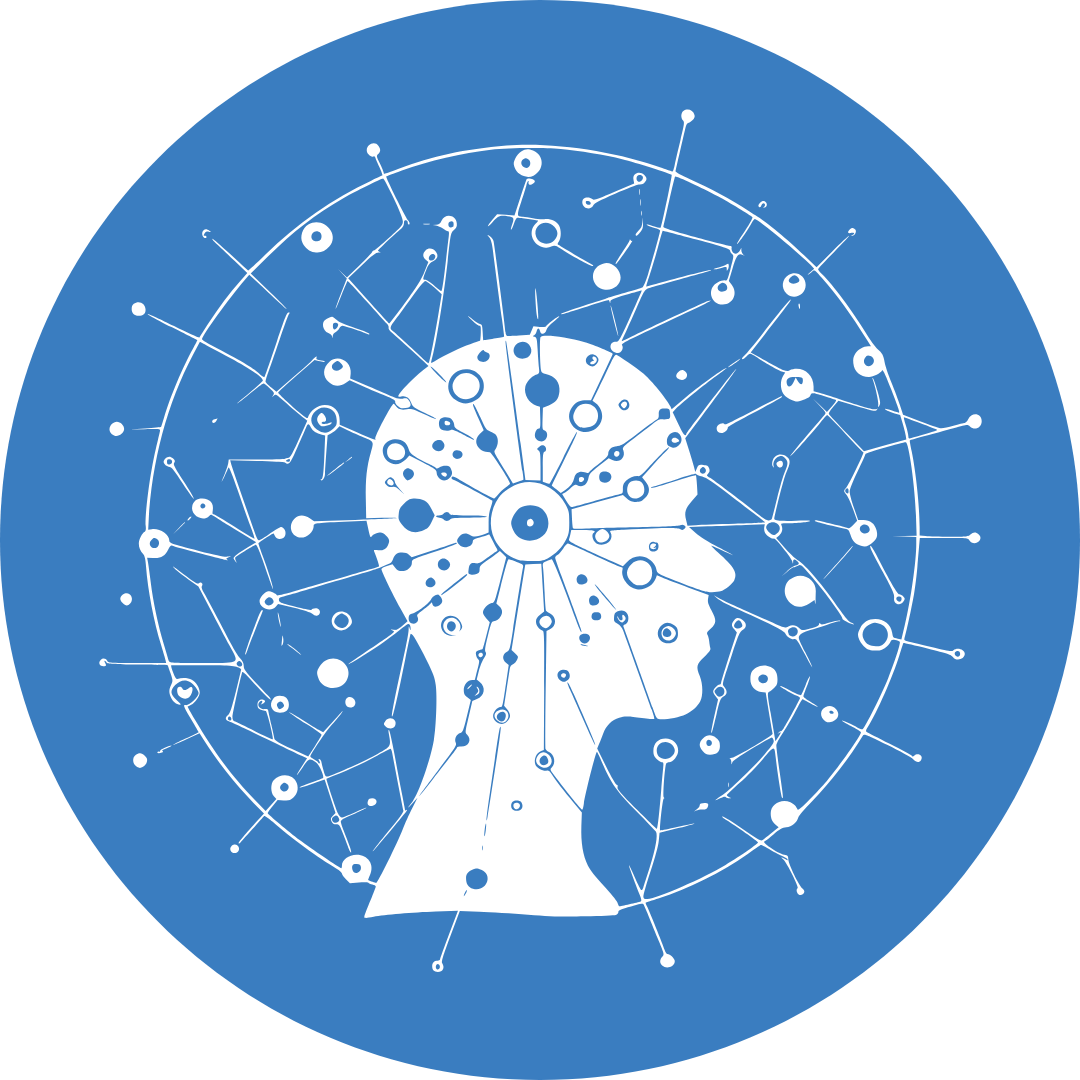
Deep learning operates on artificial neural networks, consisting of nodes, or “neurons,” structured in layers. These layers, stacked together, form a "deep" network, with each layer designed to analyze data at increasing levels of complexity.
1. Input Layer:
- This is where the magic begins, as data like pixel values from data like an image enters the network.
- The input layer starts the process, getting the raw data ready for the neural network.
2. Hidden Layers:
- These layers are the true workhorses, processing complex patterns in the data. Each neuron performs mathematical operations with weighted connections that adjust through training. Here, according to the nature and requirement of the use case, bias can be added into the network to balance the unfairness.
- Shallow layers might recognize simple shapes, while deeper layers can identify intricate details, such as features like that from the face if the input is a human image or object categories.
3. Output Layer:
- The final layer delivers the prediction, like identifying if an image shows a cat or a dog, or even diagnosing a disease from an X-ray.
- The output layer translates the network's internal computations into a human-understandable result, providing actionable insights or decisions based on the analyzed data.
The process of "learning" happens as the model iteratively improves through backpropagation, adjusting weights to minimize errors. Over time, the model becomes increasingly accurate and robust, capable of delivering predictions with high confidence.
Challenges in Deep Learning
While deep learning is transformative, it faces some tough challenges:
1. Data Hunger:
- Deep learning thrives on data but struggles with limited, unstructured, or biased datasets.
- This dependency can significantly hinder the model's performance, accuracy, and scalability, especially in niche fields or industries where gathering high-quality, labeled data is both challenging and resource-intensive.
2. Computational Intensity:
- Running complex models requires powerful, high-performance hardware and can be prohibitively costly. Additionally, the high energy consumption associated with these computations raises concerns about long-term sustainability, environmental impact, and carbon emissions, pushing organizations to explore energy-efficient hardware and innovative, eco-friendly optimization strategies.
3. Interpretability:
- Interpretability is crucial in fields like healthcare and finance, where understanding how a deep learning model arrived at its decision is essential, and a lack of transparency can be a barrier to adoption.
- Efforts to improve this are ongoing, with techniques like explainable AI being developed to provide insights into the decision-making process.
Why Deep Learning Matters
- As deep learning pioneer Yann LeCun says, “The revolution of deep learning is transforming every domain that relies on data.” Deep learning is not just reshaping technology but also altering the way we live and work, helping solve humanity’s biggest challenges.
- The impact of deep learning goes far beyond tech; it’s sparking new waves of innovation, pushing industries forward, and solving problems once thought unsolvable.
- Deep learning is redefining medicine by letting early disease detection, personalizing treatment, and reducing costs.
- In environmental science, it’s allowing researchers to analyze satellite data to monitor deforestation and track climate change, empowering global decision-making. Its potential for positive impact is limitless.
Shaping a Smarter Tomorrow
As we stand on the brink of a new era powered by deep learning, the potential for innovation and positive change is boundless. This transformative technology is not only reshaping industries but also redefining the possibilities of what we can achieve. But the journey doesn’t stop here—understanding the advanced mechanics of deep learning is key to unlocking its full potential.
In Part 2 of this series, we’ll explore advanced architectures, optimization strategies, and emerging trends that are revolutionizing how deep learning tackles complex challenges.
At SJ Innovation, we specialize in providing AI-first solutions tailored to meet the unique needs of your business. Our team is dedicated to helping you navigate the complexities of deep learning and utilize its power to drive success.
For more information on how we can assist you in integrating cutting-edge AI solutions, contact our experts today!