How Artificial Intelligence Is Impacting Quality Assurance Roles: Part 2
We’re back with How Artificial Intelligence Is Impacting Quality Assurance Roles: Part 2! Part 1 of our blog series showed AI's influence on test automation rol
We’re back with How Artificial Intelligence Is Impacting Quality Assurance Roles: Part 2! Part 1 of our blog series showed AI's influence on test automation rol
We’re back with How Artificial Intelligence Is Impacting Quality Assurance Roles: Part 2! Part 1 of our blog series showed AI's influence on test automation roles, machine learning's test creation, predictive analysis in QA, AI-powered exploratory testing, and AI's influence on user experience.
In Part 2, we explore AI in root cause analysis, the use of NLP for better test automation, real-time bug detection, and the opportunities and challenges AI brings to QA. Learn about seamless quality assurance software AI integration strategies and gear up for a future where AI and QA are intertwined.
Root Cause Analysis with AI

AI drastically refines Root Cause Analysis (RCA) by deploying sophisticated algorithms that can scrutinize diverse datasets to uncover patterns and anomalies that might go unnoticed by the human eye. With AI, hypotheses are generated swiftly, recommendations are more targeted, and corrective actions can even be automated.
This application of AI when paired with root cause analysis tools speeds up the identification of underlying causes, critically reducing the time and labor devoted to solving complex issues. AI's strong suit is dealing with intricacies involving multiple factors, gleaning insights from historical and ongoing data to predict trends. Adopting such a proactive stance, not only pinpoints potential quality detriments but also suggests practical, preventative strategies.
Essential Steps in AI-Driven RCA
- Clarify the scope and goals of the RCA project.
- Accumulate and condition data for AI analysis.
- Select appropriate AI tools that match RCA requirements.
- Closely monitor the outcomes and adapt actions based on AI-generated feedback.
Challenges in Implementing AI for RCA
- The efficacy of AI relies heavily on the quality and completeness of the data it analyses.
- Interpretation and transparency of AI findings are key concerns, as results need to be understandable to ensure trust and responsibility.
- Bridging the gap between AI capabilities and human expertise is fundamental for harmonious and successful operations.
- Moreover, implementing responsible artificial intelligence in QA processes and plans is key!
For organizations aiming to capitalize on AI for RCA, incremental adoption is recommended. Starting small and scaling up facilitates a smoother transition. Involving all concerned parties leads to solutions that are practical and well-aligned with actual needs. Leveraging existing infrastructures helps manage costs and complexity. Monitoring AI outcomes continuously ensures that performance is honed over time, and staying updated with AI and RCA developments ensures that initiatives remain modern and effective.
Natural Language Processing for Test Automation Enhancement
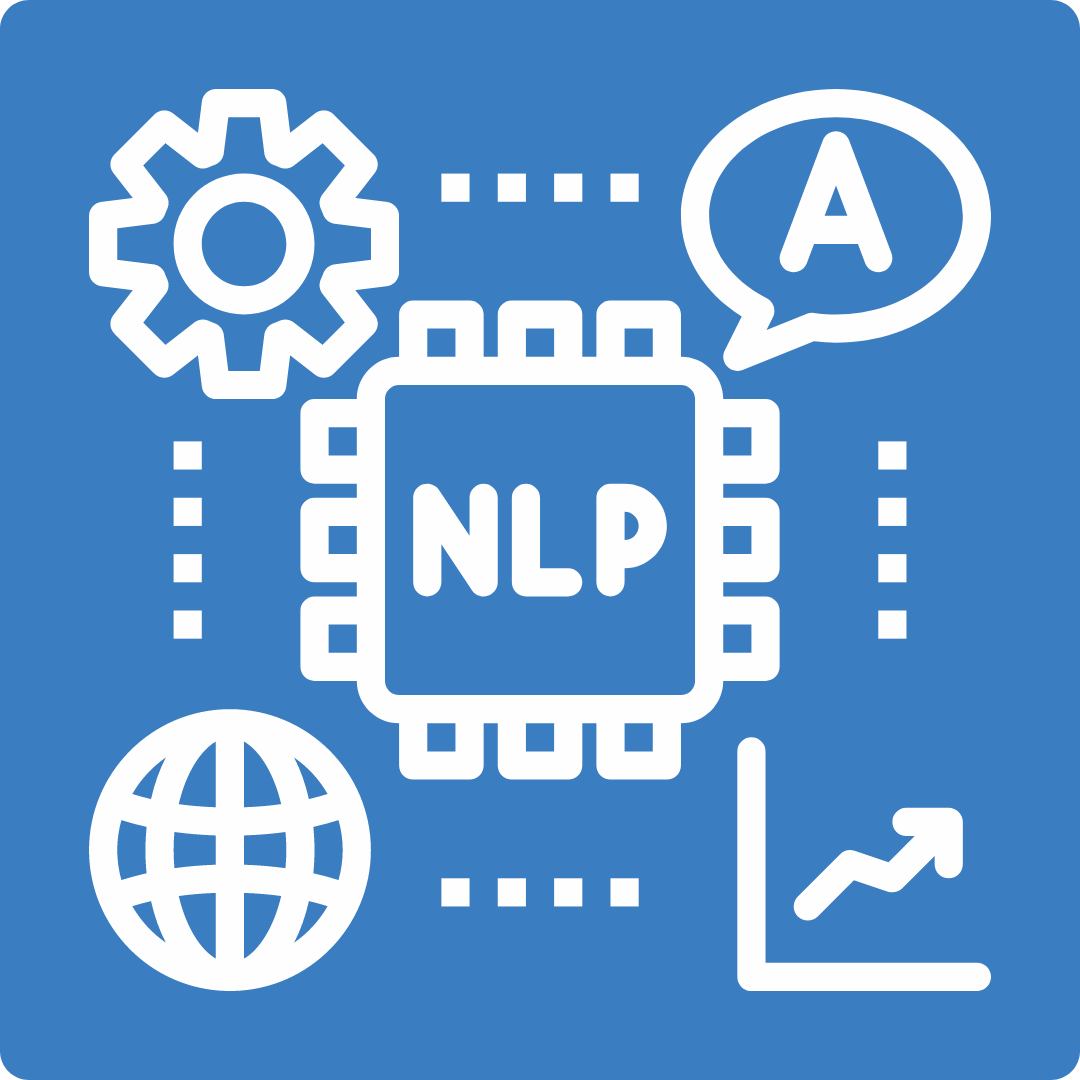
Natural Language Processing (NLP) uses AI to make sense of human language, allowing for a more intuitive interaction between testers and machines.
NLP applications incorporate three core efforts:
- Understanding the intricate semantics of language
- Processing this information into structured data
- Generating actionable test scenarios
With natural language processing in AI, the nuances of human communication - captured in test descriptions and user stories - are converted into detailed test cases. Such transformation leads to fuller test coverage and a sharpened test creation process, reducing the manual burden substantially.
The Art of Real-Time Bug Detection with AI
AI-equipped bug detection tools are invaluable in spotting software vulnerabilities, serving a crucial function within the software development lifecycle. They allow for early detection of issues, contributing to refined code quality and operational efficiency.
While these tools are extremely beneficial and can expedite the development process significantly, it's crucial to understand their limits. They excel at identifying bugs rooted in known patterns but may struggle with novel issues. It remains the responsibility of human developers to apply a discerning eye when using these AI tools, validating their findings to ensure accuracy and reliability.
AI in QA: Opportunities and Challenges
AI is redefining QA with unmatched efficiency and thoroughness, but it comes with hurdles—data quality is a critical dependency, and the complexity of AI requires ongoing learning. For professionals in AI testing jobs, it means staying agile, continually advancing your know-how, and fostering a collaborative environment to keep up with AI's brisk technological march.
AI-Based QA Tools
There are many AI-driven automation QA tools:
1. TestGrid
TestGrid is a powerful AI test automation platform designed for comprehensive testing of mobile apps on real devices. Its key capabilities include automated testing, performance testing, API testing, and security testing.
Benefits:
- AI-generated test cases from plain English scenarios.
- Access to a wide range of real Android and iOS devices.
- Streamlined testing through Record & Playback functionality.
- Performance testing across devices with varying conditions like battery life, network strength, and responsiveness.
2. Appvance IQ
Appvance IQ is a top-tier AI-powered test automation tool tailored for native mobile, mobile web, and hybrid apps on iOS and Android platforms.
Features:
- Covers functional, API, performance, and load testing.
- Ensures optimal user experience by validating various app aspects.
- Streamlines test creation for efficient testing workflows.
3. Functionize
Functionize is a cloud-based AI testing tool that recently secured $16 million in series-A funding.
Advantages:
- Leverages AI for scalable QA efforts.
- Offers cloud-based testing solutions.
- Requires skilled engineers for optimal results.
4. ACCELQ
ACCELQ is a codeless, AI-powered tool that enables seamless software testing.
Features:
- Supports multi-channel testing for mobile, desktop, and more.
- Aids in testing complex use cases.
- Enhances software quality through AI-driven automation.
Integrating AI with QA Systems
1. Test Case Generation
AI software testing tools can automate the creation of test cases by understanding user requirements written in plain language and transforming them into test cases or automation scripts.
2. Test Selection Algorithms